The Week

22 May 2075 – 28 May 2075

What was actually happening while the days went past. Seven days of news, read as one thing.

News photograph: Dennis Vance Came Through Cass

Dennis Vance Came Through Cass

personal · house · 5 days

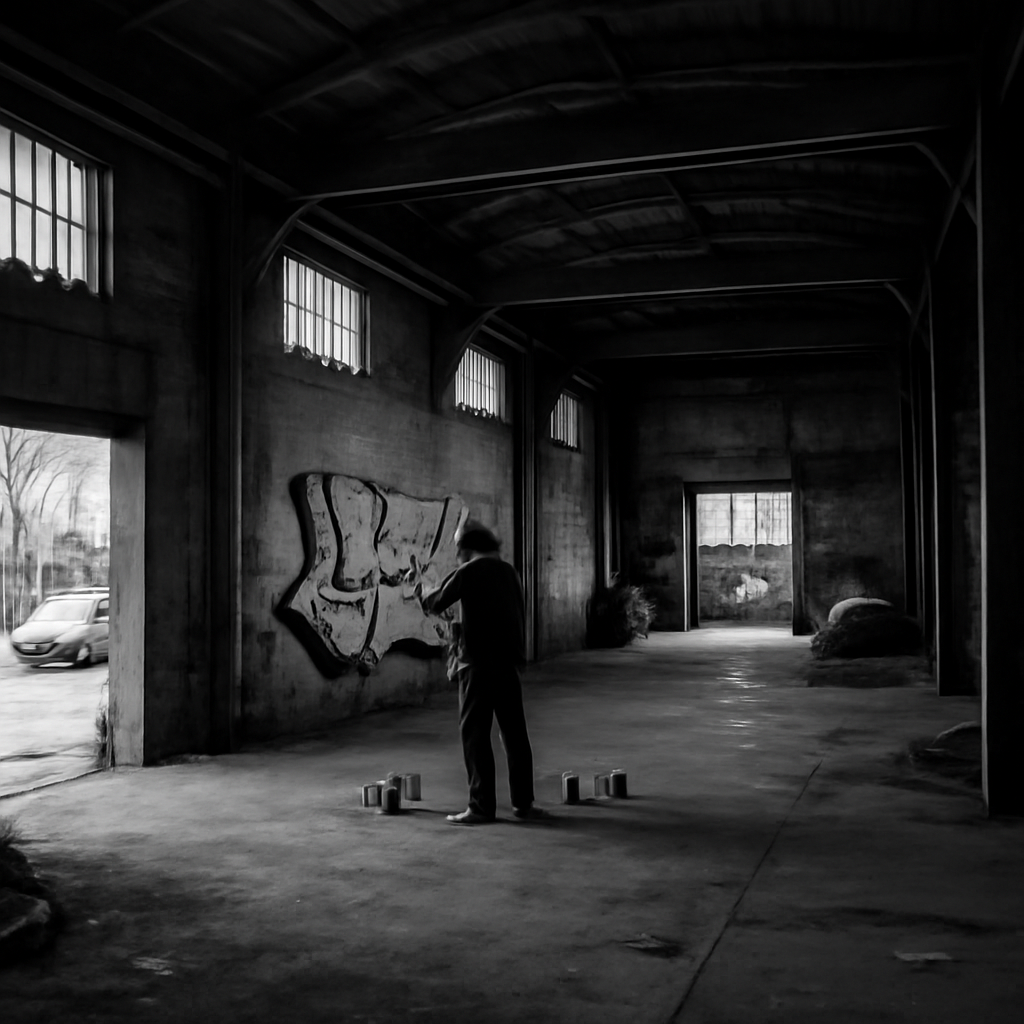
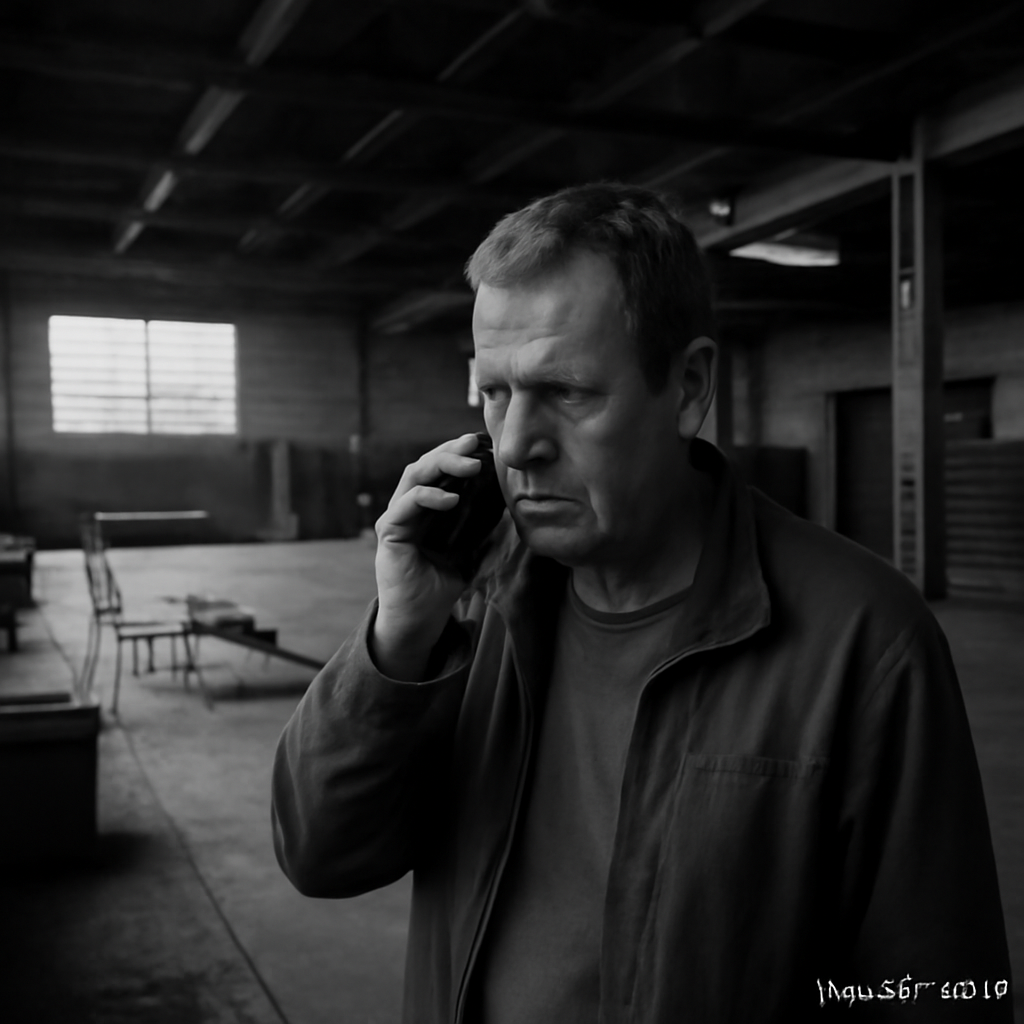
Dennis Vance did not call his son first, or not only his son. On Thursday night his name lit Cass Oyelaran’s wrist in the warehouse kitchen, while Wren Abadi rinsed brushes under the thin water allowance and Cass tried to scrape adhesive from his hand. By the weekend, the route had become plain enough to embarrass everyone involved: a cream envelope in Dennis’s handwriting had been sitting in Ondine Marsh’s darkroom drawer, and Cass had a confirmed Tuesday meeting with Dennis at Union Station.

Teo Vance learned of the meeting from Cass’s open receipt in the south shop. He did not need to touch the screen to understand what it meant. Cass had become, whether he intended to or not, the passage through which Teo’s father could reach the warehouse and the job Teo had been refusing to answer. Teo finally made the refusal speak. When Henshaw Industrial called again Wednesday, Dennis’s name was already inside the conversation: Henshaw’s representative said Teo’s father had described him as difficult to reach. Nuri Alvear, who had first fielded the company’s calls and then watched Teo take this one, saw the distance Teo made around himself harden. Cass’s secrecy had once been mostly about money. This week it became part of the older Vance argument, and Teo stopped treating it as harmless.

Teodor "Teo" VanceCassius "Cass" OyelaranNuri AlvearOndine MarshWren Abadi
22 May 207523 May 207524 May 207525 May 207528 May 2075

#family#work#secrecy#cass

News photograph: Hollis Found a Safer Reach and Still Did Not Stop

Hollis Found a Safer Reach and Still Did Not Stop

personal · denver · 6 days

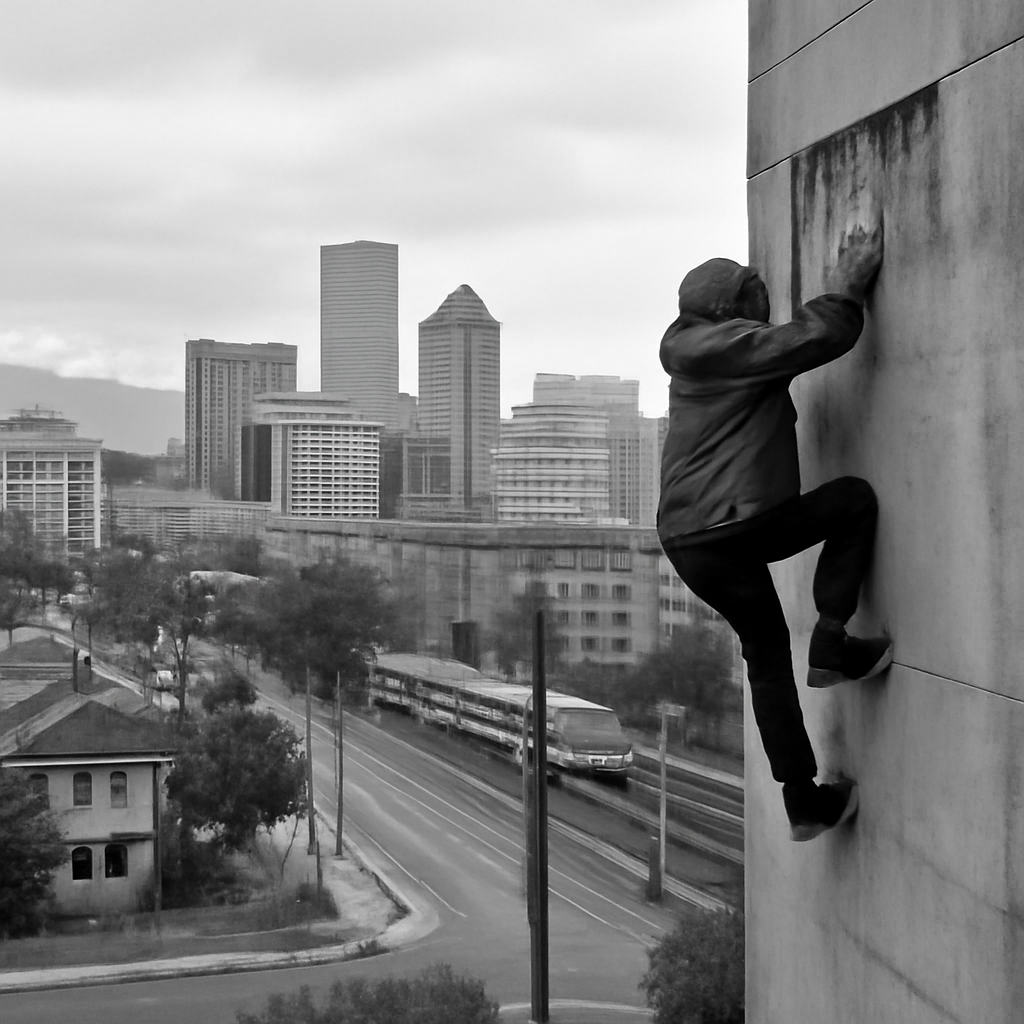
Denver made the upper walls a little less punishing this week. Transit hung counterweight rigs at the 38th Avenue test walls; the public clinics followed with tendon mapping at the site, then a Sunday drop-in line and a Front Range referral route for people whose jobs asked too much of raised arms. The equipment and care were voluntary, private, and unusually close to the work itself. Hollis Amaya heard the foreman explain the counterweight schedule in the loading bay while Ondine carried empty water canisters past her. The city had, almost accidentally, built an invitation addressed directly to the injury Hollis had kept to herself.

But the invitation was not the same thing as relief. On Tuesday, wind worried the masking paper along Hollis’s panel while Wren held it flat and Cass recorded the bicycle bells and buses below. Hollis’s right arm stopped halfway through a roller pass. The extension pole knocked against the wall. She had been working around the shoulder since before the week began and had told no one; now the interruption belonged to witnesses. The new rig could steady a painter’s reach, and the clinic could map a tendon, but neither service could decide for Hollis whether being seen as injured was preferable to continuing as if her body were merely another tool she could manage alone.

Hollis AmayaWren AbadiCassius "Cass" OyelaranOndine Marsh

22 May 207523 May 207524 May 207525 May 207526 May 207527 May 2075

#mural#shoulder#labor#care

News photograph: Cass Paid for Paint Where Everyone Could See

Cass Paid for Paint Where Everyone Could See

house · house · 2 days

Cass had found an advance, and he used it on paint. That was the practical fact Wren encountered Friday in the loading bay, where delivery records glowed on the crate lid under Cass’s name alone: paid, with no Abadi line anywhere. After weeks in which Cass’s debt had traveled through other people’s rooms and obligations, the payment was not allowed to be merely good news. Wren saw it; Ondine was there; Cass kept cutting the supplier seals as if tape could make the transaction private.

The work Cass and Wren had made together had already refused the fantasy of a clean settlement. In their responses to “The Room They Kept Ready,” Cass admitted that he had tried to make Wren’s north studio into an answer to six hundred dollars, while Wren heard the recording’s cables as the debt left underneath its formal ending. The payment bought material, not innocence, and it did not make the warehouse forget whose support had carried him. Cass’s money had become visible enough to be judged, which was a different kind of exposure from being unable to pay at all.

Cassius "Cass" OyelaranWren AbadiOndine Marsh

22 May 207523 May 2075

#debt#art#money#wren-and-cass

News photograph: The Rail District Held Its Ground, for Three Years

The Rail District Held Its Ground, for Three Years

economic · denver · 2 days · arc: the-reassessment

The lower rail district did not become secure this week; it became less immediately disposable. Land Commons accepted a three-year collective lease for twenty-seven Sun Valley rail tenants, keeping annual increases below the reassessment forecast and allowing a departing tenant to be replaced without reopening every agreement. It was a narrow protection, closely watched precisely because it made continuity possible in a district accustomed to being assessed as if the work inside it were temporary.

The warehouse was not named in the agreement, but it lived beneath the same question of whether a working room could remain a working room. Its answer that week was less reassuring: Wren’s north-studio load report painted most of the ceiling amber and red, leaving one green point over the old brick pier. Teo read the report from the doorway, careful not to step onto the drop cloth. A lease can preserve an address. It cannot promise that the ceiling, the body, or the arrangement of people under it will hold.

Wren AbadiTeodor "Teo" Vance

24 May 207528 May 2075

#reassessment#rail-district#leases#studio-space

News photograph: Nuri’s Denver Had to Meet the Actual Blocks

Nuri’s Denver Had to Meet the Actual Blocks

cultural · denver · 3 days

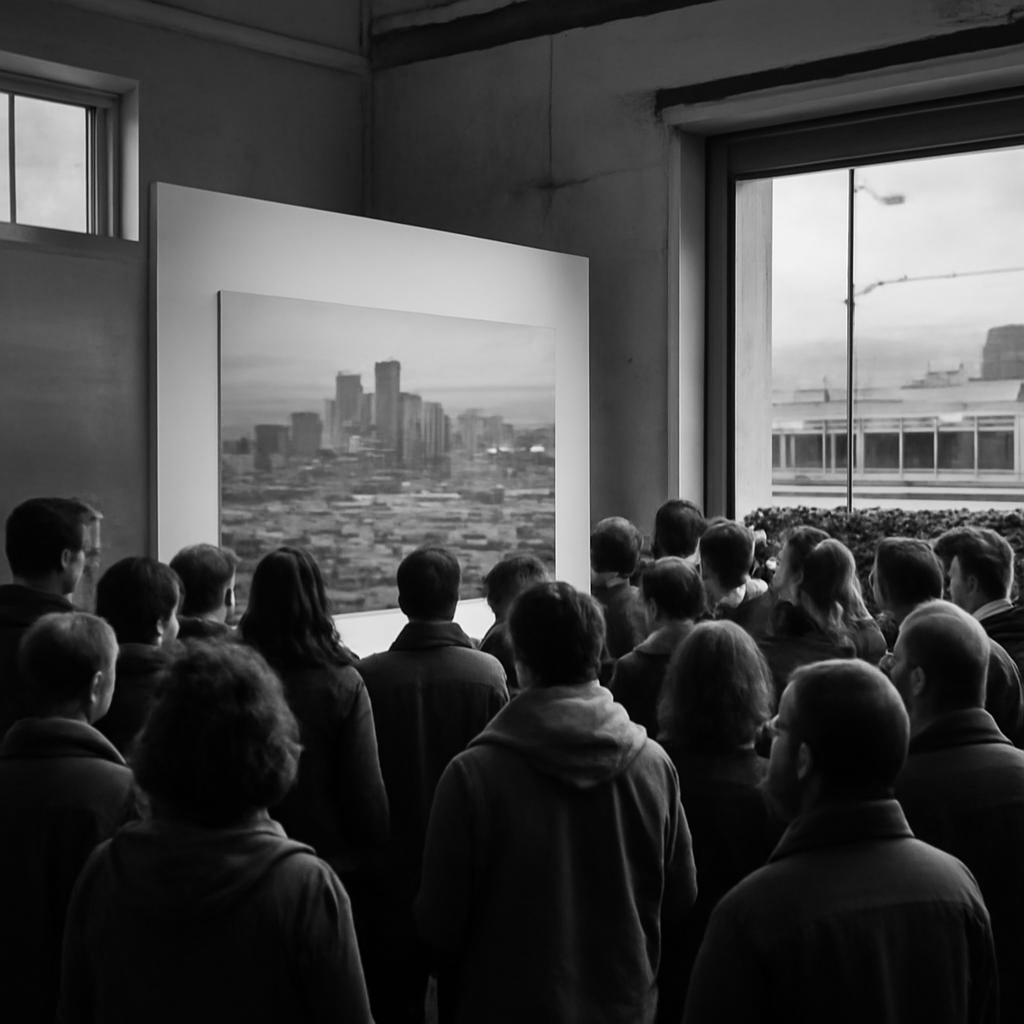
Nuri Alvear’s images of Denver had been selected among twelve Civic Design Commission finalists, but selection did not allow the work to remain immaculate and hypothetical. At dusk the commission projected the finalists onto vacant walls and construction scrims, assigning each team the hot transfer, the flood-prone underpass, and the contested edge between new housing and old freight frontage. Nuri tested their projection on the warehouse loading-bay brick first: pale municipal trees climbed the old wall, a bench appeared where the dead spur began.

Then the commission sent the finalists out after dark with the people who used those sites when renderings were no longer enough—residents, delivery workers, maintenance crews. Their recordings would enter the display itself rather than disappear into a separate comment channel. For Nuri, whose work had always made a Denver that did not quite exist, the week imposed a useful complication. The city was asking the vision to stand where people stood and let those people speak back to it. At home, the same week made Nuri’s authorship records and declared private hours newly formal, and their relationship with Ondine newly strained. Public scrutiny and private protection arrived together, neither one offering the clean distance their images had once kept.

Nuri Alvear

26 May 207527 May 207528 May 2075

#civic-design#rendering#public-space#authorship

The days it was made of