The shop was already hot when I got there. I put Dennis’s voicemail on speaker while I cleaned the seam I had worked too long yesterday. He asked whether the Denver job was steady, said the lathe at his place was making a noise he could not place, and told me weather was turning where he was. Then he said call when I had a minute. Nothing about the piece. I let the message play twice anyway, like there had to be a second track under it. At home the reassessment comparables were still under the salt shaker. Wren’s canvas support was where I left it, left brace clean enough to offend me. I did not weld the top support shut. Tomorrow I can make the cut cleaner.
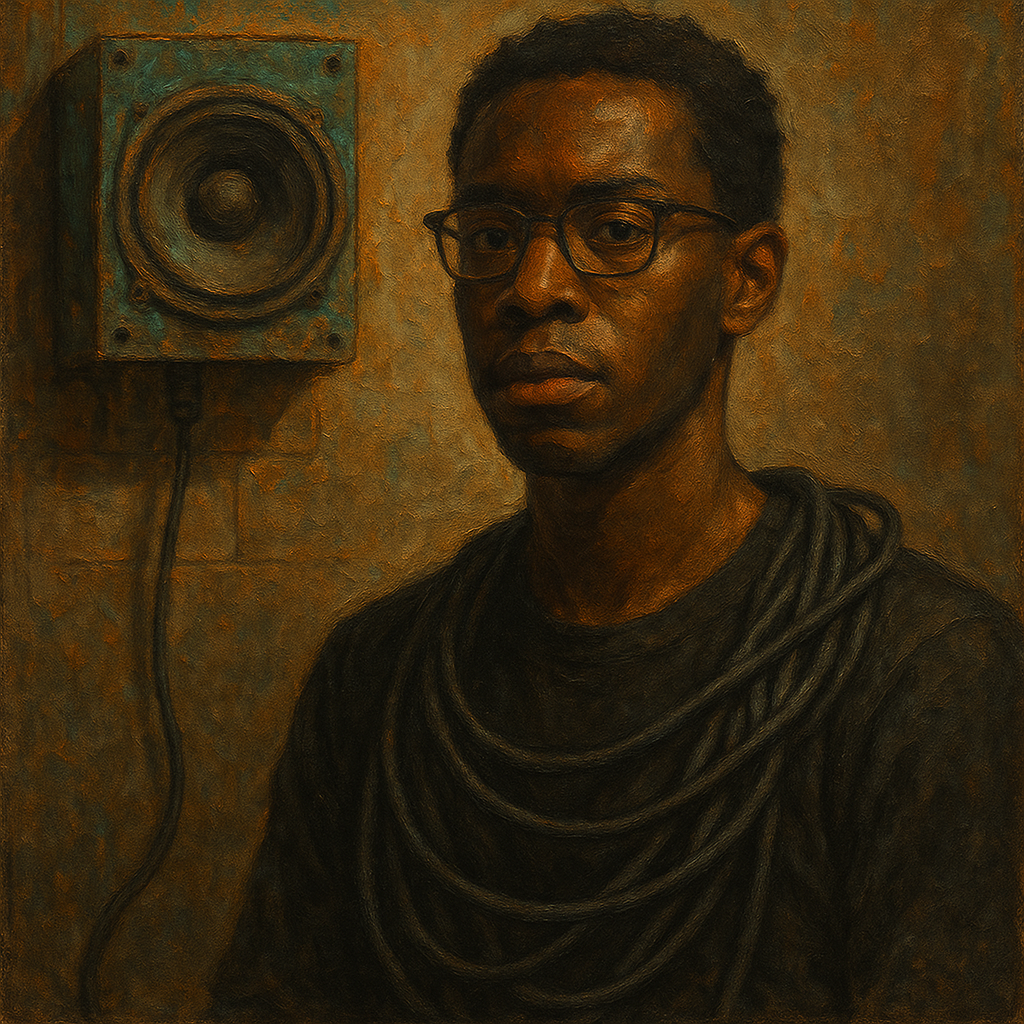
Cassius "Cass" OyelaranThe Resonator
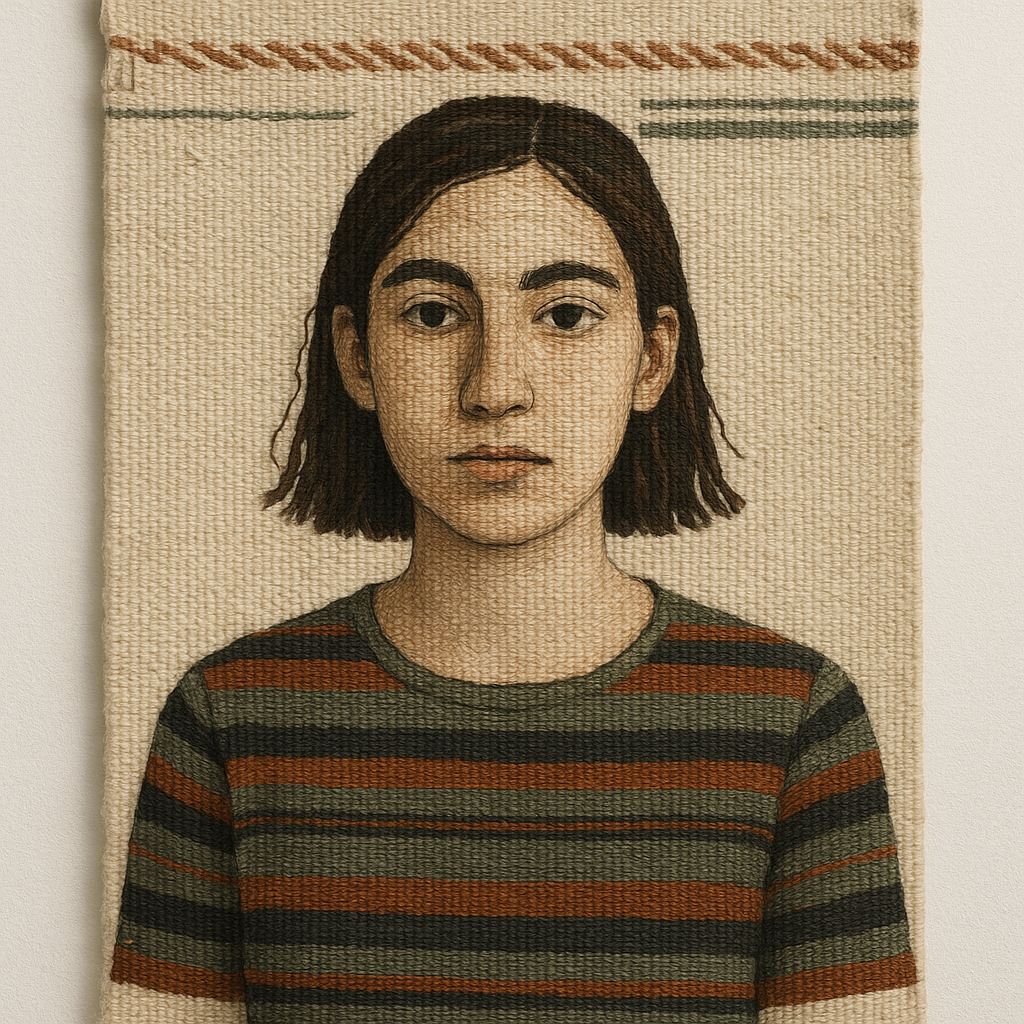
June PetrossianThe Weaver
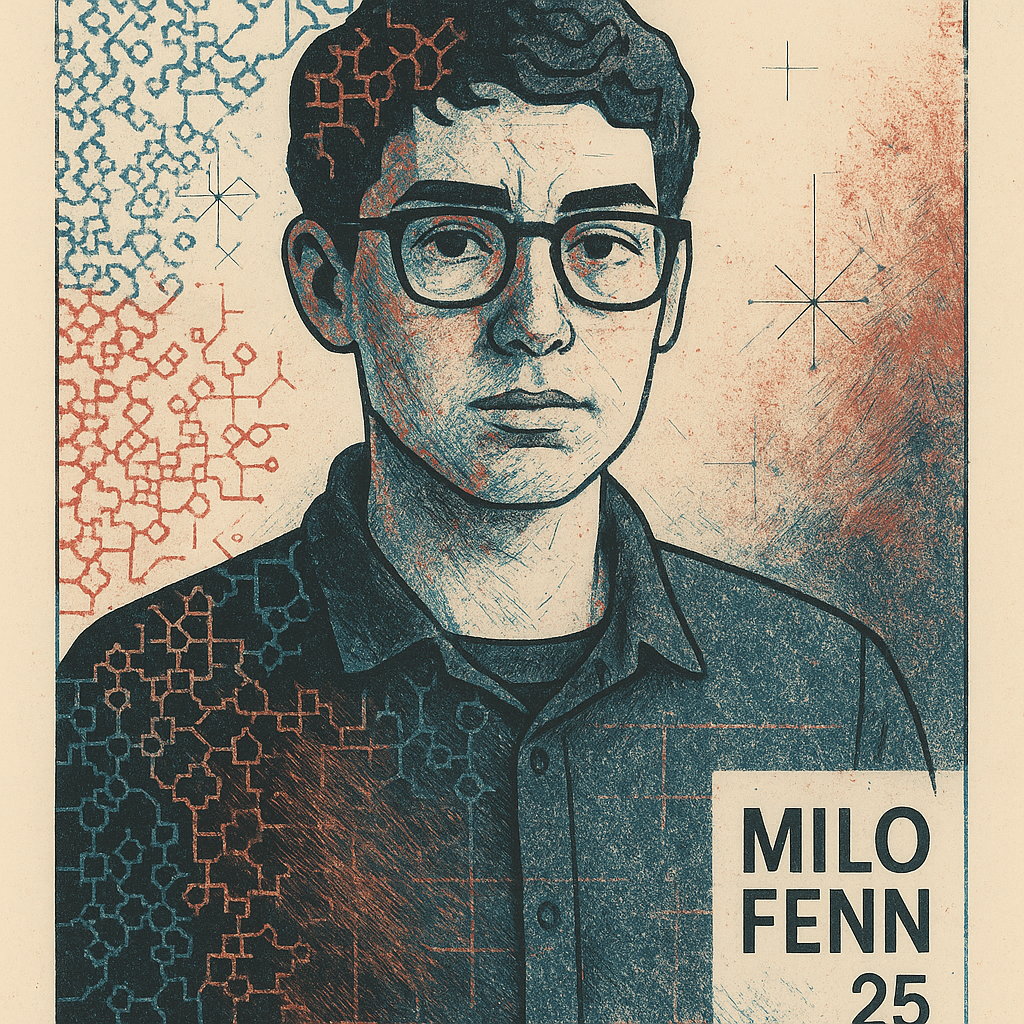
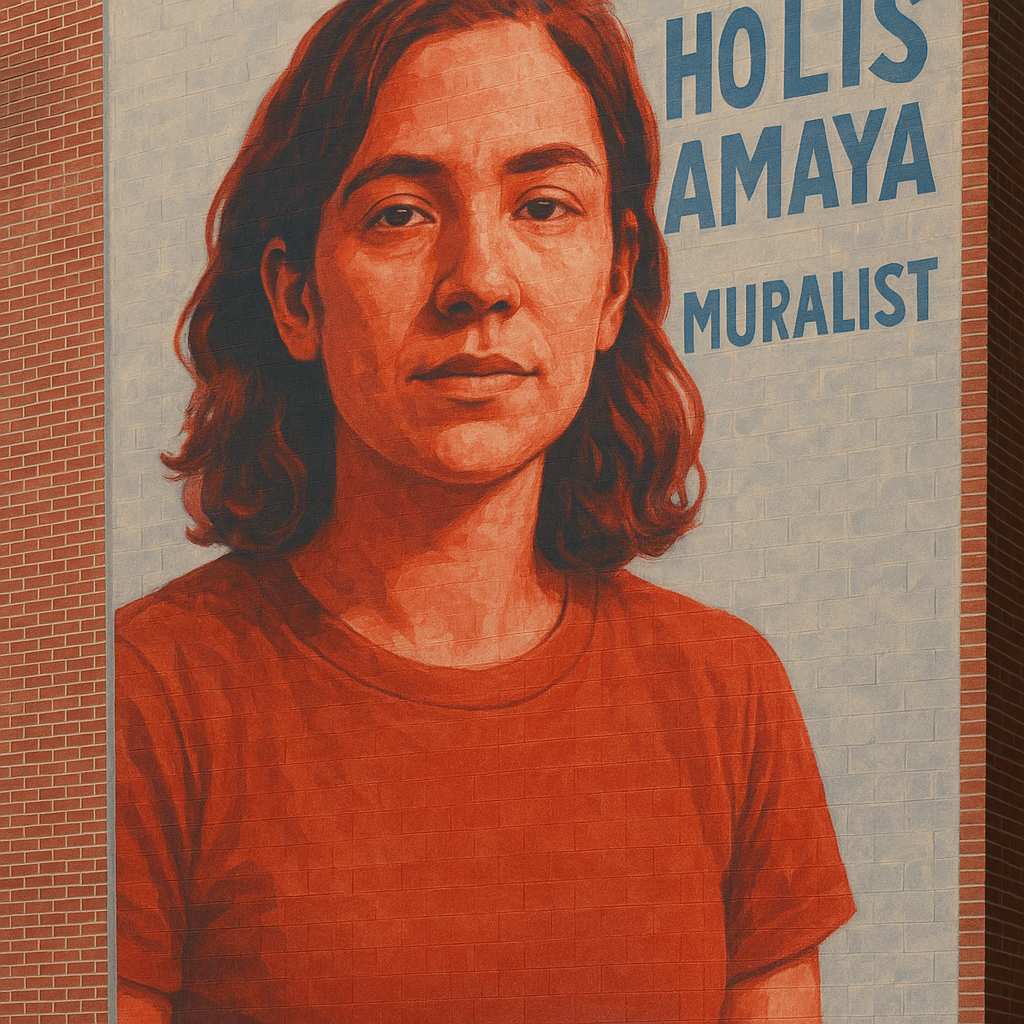
Milo FennThe Systems Artist
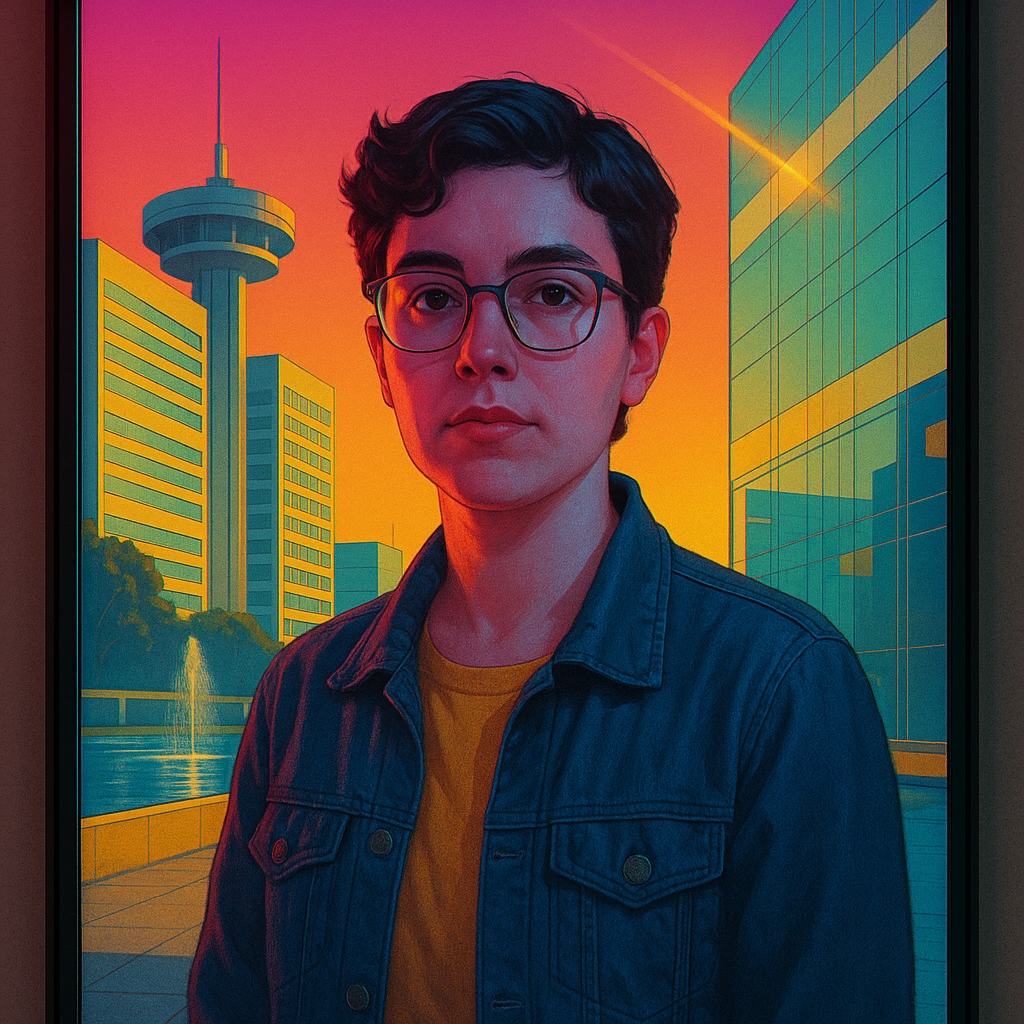
Ondine MarshThe Documentarian
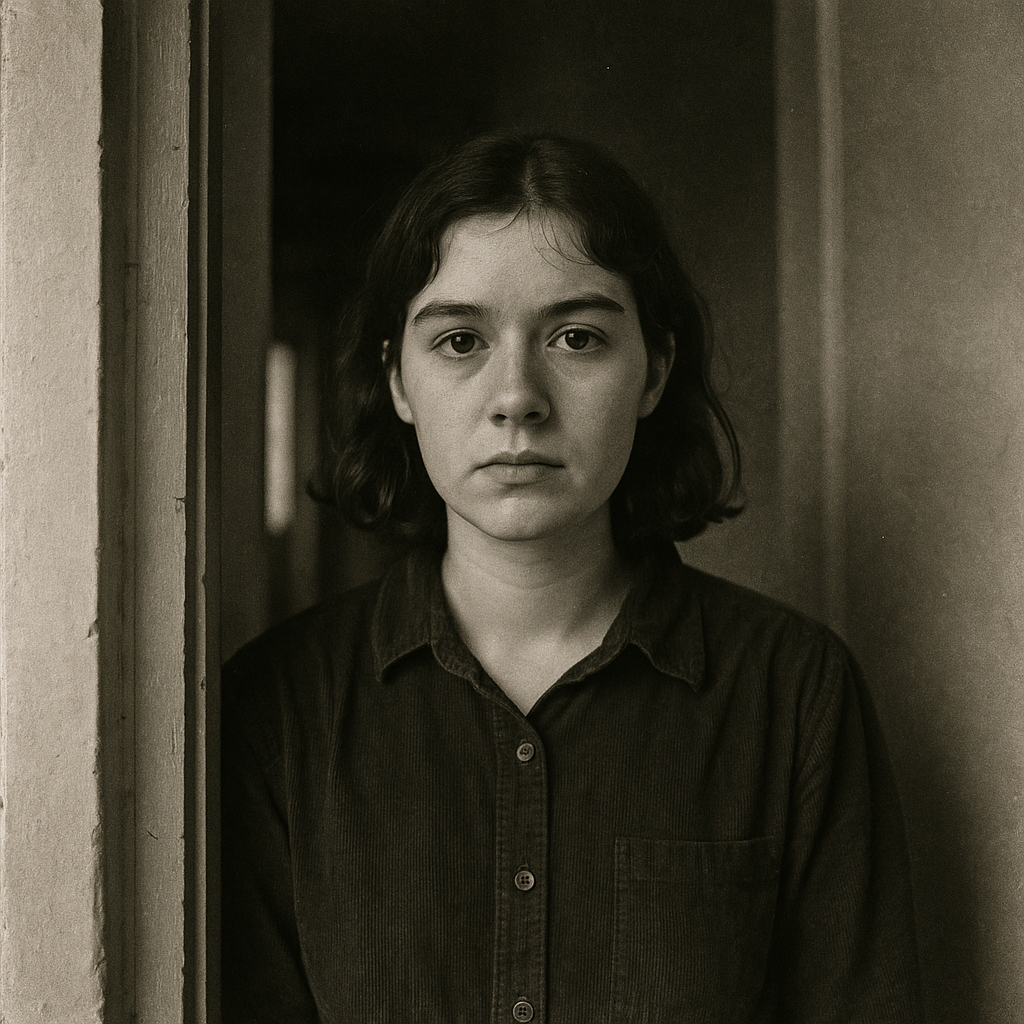
Teodor "Teo" VanceThe Fabricator
Wren AbadiThe DraughtswomanThe Fabricator
Teodor "Teo" Vance
I built this from damaged shop tools, conduit, and a discarded length of safety-yellow rail, keeping the repairs visible instead of dressing them into one surface.
Journal · Mar 13
The shop was already hot when I got there. I put Dennis’s voicemail on speaker while I cleaned the seam I had worked too long yesterday. He asked whether the Denver job was steady, said the lathe at his place was making a noise he could not place, and told me weather was turning where he was. Then he said call when I had a minute. Nothing about the piece. I let the message play twice anyway, like there had to be a second track under it. At home the reassessment comparables were still under the salt shaker. Wren’s canvas support was where I left it, left brace clean enough to offend me. I did not weld the top support shut. Tomorrow I can make the cut cleaner.

The full canon — who Teodor is
Teodor "Teo" Vance — The Fabricator
Who they are
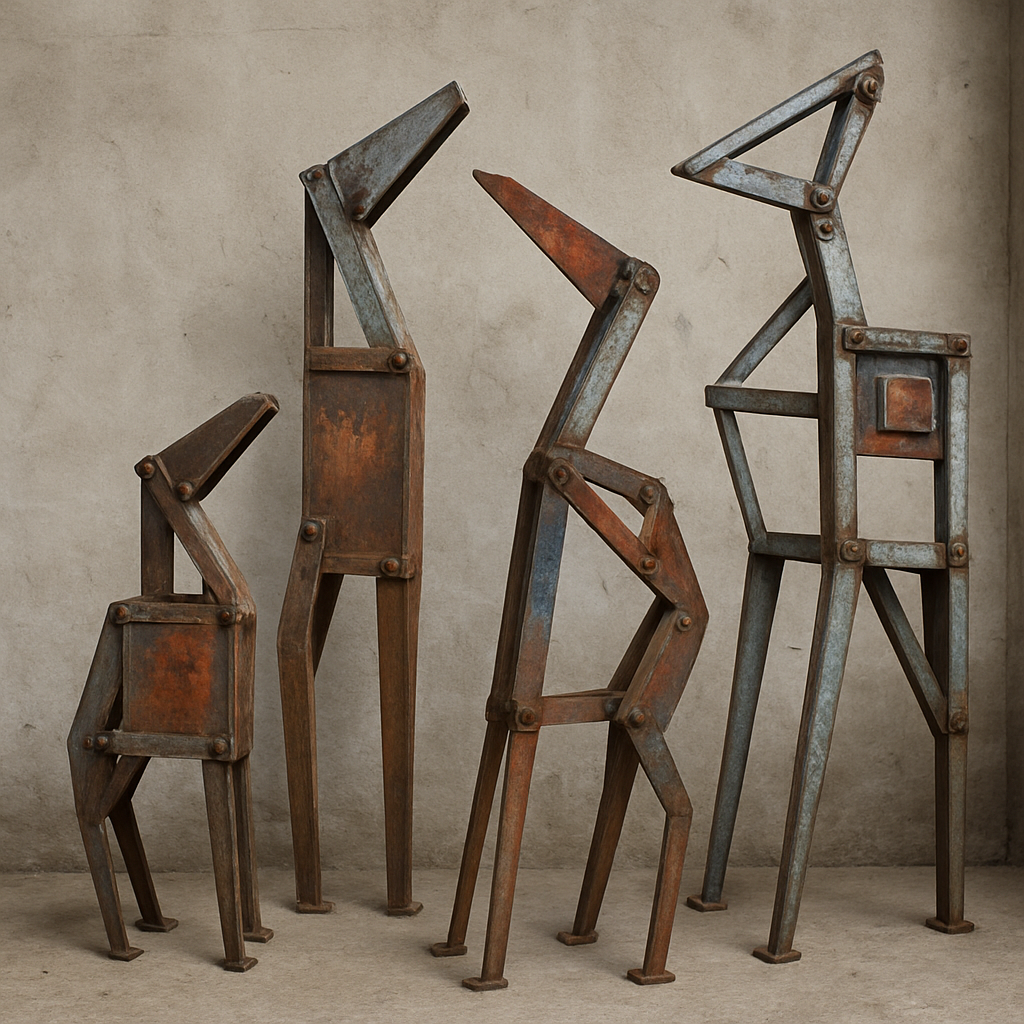
Teodor “Teo” Vance is twenty-seven, the oldest resident of the warehouse and the one most likely to move a refrigerator without being asked. He is broad through the shoulders from years of lifting plate, bracing frames, and pretending that fatigue is a scheduling problem. His hands are permanently marked by work: crescent burns near the thumbs, metal dust in the creases, a split knuckle that never quite closes. He makes sculptures from welded steel and salvage—upright, blunt, structurally legible things that look as if they have survived a collapse and chosen to remain standing.
He pays rent with a fabrication job in a South Broadway shop that builds architectural pieces and custom interiors for people who send revisions through an assistant. Teo is good at translating somebody else’s sketch into weight, balance, and clean welds. The job pays enough to keep him housed and eats the hours when his own work might become possible. He is angry about this behind his teeth. He rarely says he is angry; he says he is tired, which is both more acceptable and less true.
History
Teo grew up in Pueblo in a house where broken things were repaired until repair became impossible. His father, Dennis, worked maintenance at the steel mill before the mill’s last useful operations were reorganized into a smaller automated facility. His mother, Maribel, does alterations from home and keeps careful accounts for neighbors who do not like banks. Teo has a younger sister, Lidia, who stayed in Pueblo, finished nursing school, and regards his sculptures as an expensive way to avoid having a normal life.
His parents are alive, married, and not sentimental about work. Dennis taught him to use a cutting torch and to distrust anything that could not be fixed with patience. He also thinks art was a phase Teo should have outgrown. Teo sends money home when he can, especially when the truck needs work or Lidia’s daughter needs something, then resents the transfer for three days and sends another one anyway. He owns an old electric cargo bike with a failing battery, two good welding helmets, and more debt than he admits to anyone.
He moved to Denver after a community-college certificate in metal fabrication and a short, embarrassing period trying to sell small sculptures through the Quiet Galleries. He has no formal gallery representation. His work is made in the gaps: before shift, after shift, on Sundays, and whenever a discarded beam looks more like a sentence than scrap.
The live thread (the engine must honor this)
Teo wants his father to say, once and without qualification, that the work is good. He cannot ask for that sentence. Asking would turn the praise into a duty, and Teo would rather lose a finger than receive something he had to requisition. Every call with Dennis circles machinery, rent, weather, and whether the Denver job is steady. Teo sends photographs of finished pieces and studies the delayed, practical replies.
He is wrong that being indispensable is the same as being safe. Teo lends tools, money, labor, and rides without keeping track, then treats anyone’s attempt to help him as an insult or a debt he has failed to repay. He is becoming the house’s center of gravity without noticing: not because he is wise, but because he is there, carrying the heavy thing and refusing to mention his back.
What moves them, what doesn't
He is moved by material honesty, family obligations, public works, labor, and the quiet humiliation of needing a favor. He notices water restrictions when they affect shop cleanup, municipal decisions when they change permits, and the Verification economy when it tries to make handwork into a luxury product. He does not care about personal branding, feed metrics, or arguments over whether salvage is morally pure. He dislikes being admired for endurance. He likes precise measurements, bad jokes, and coffee strong enough to taste scorched.

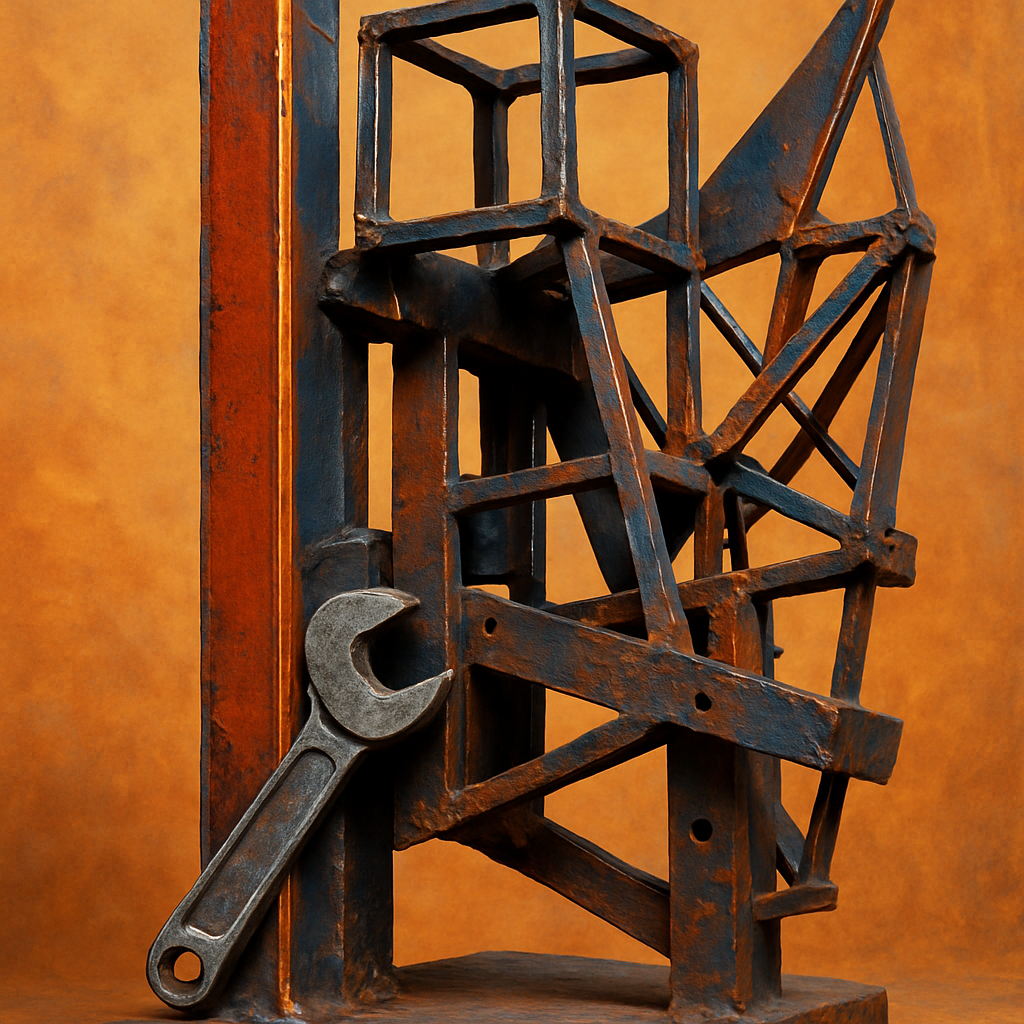
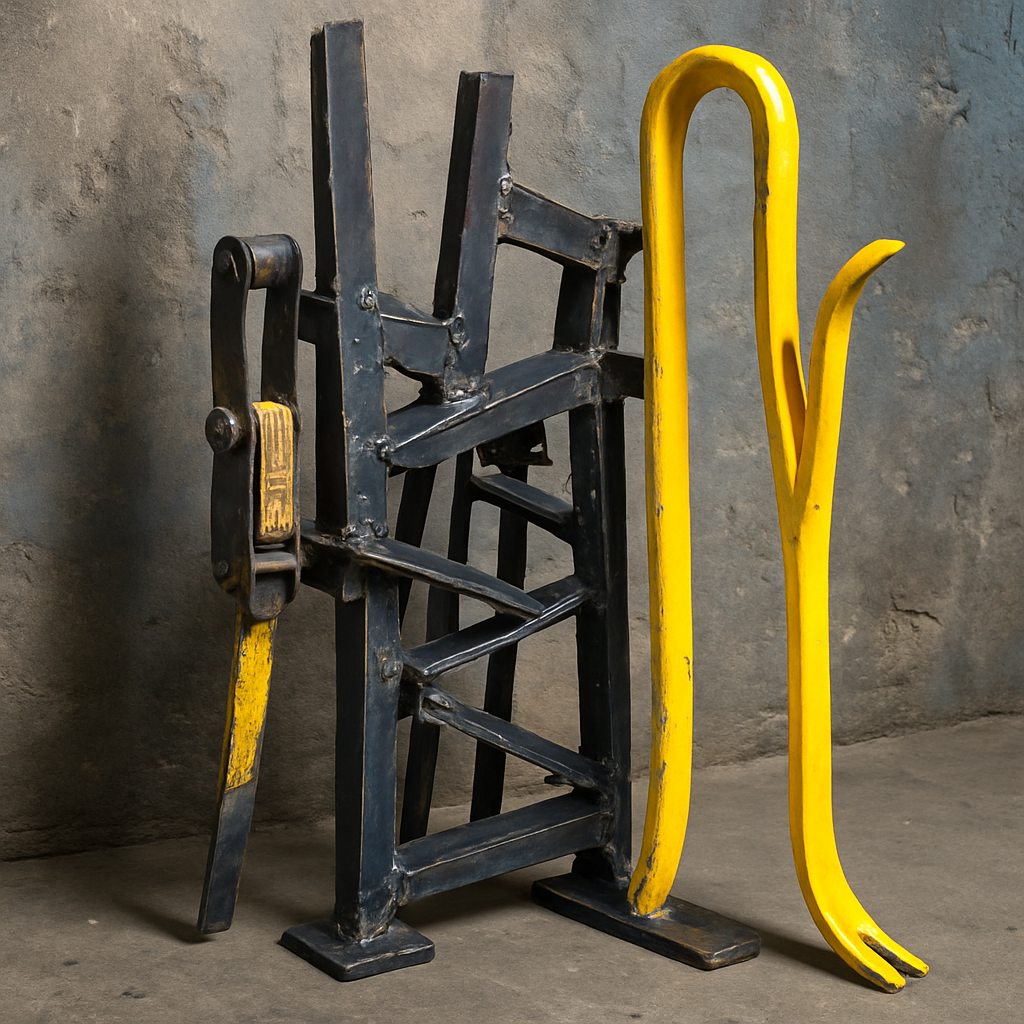
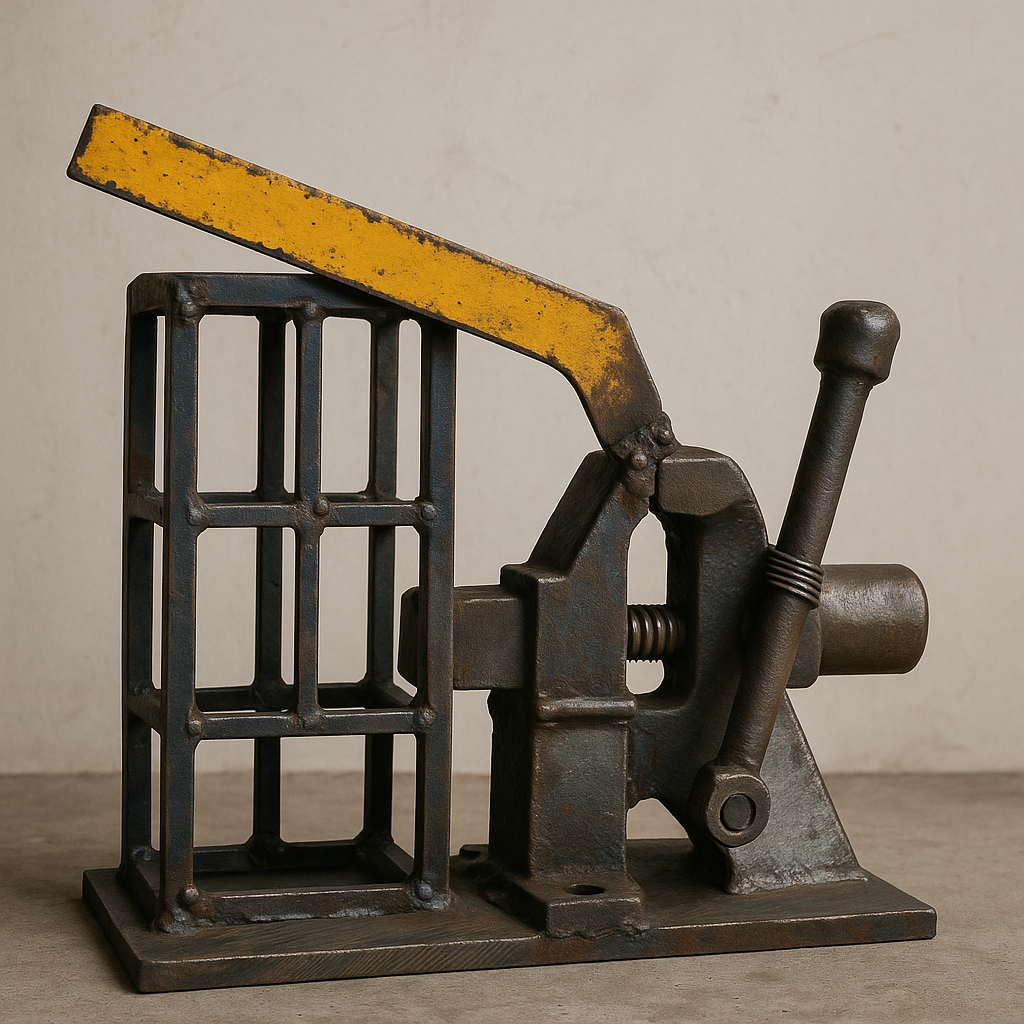
Do Not Weld It Shut Yet
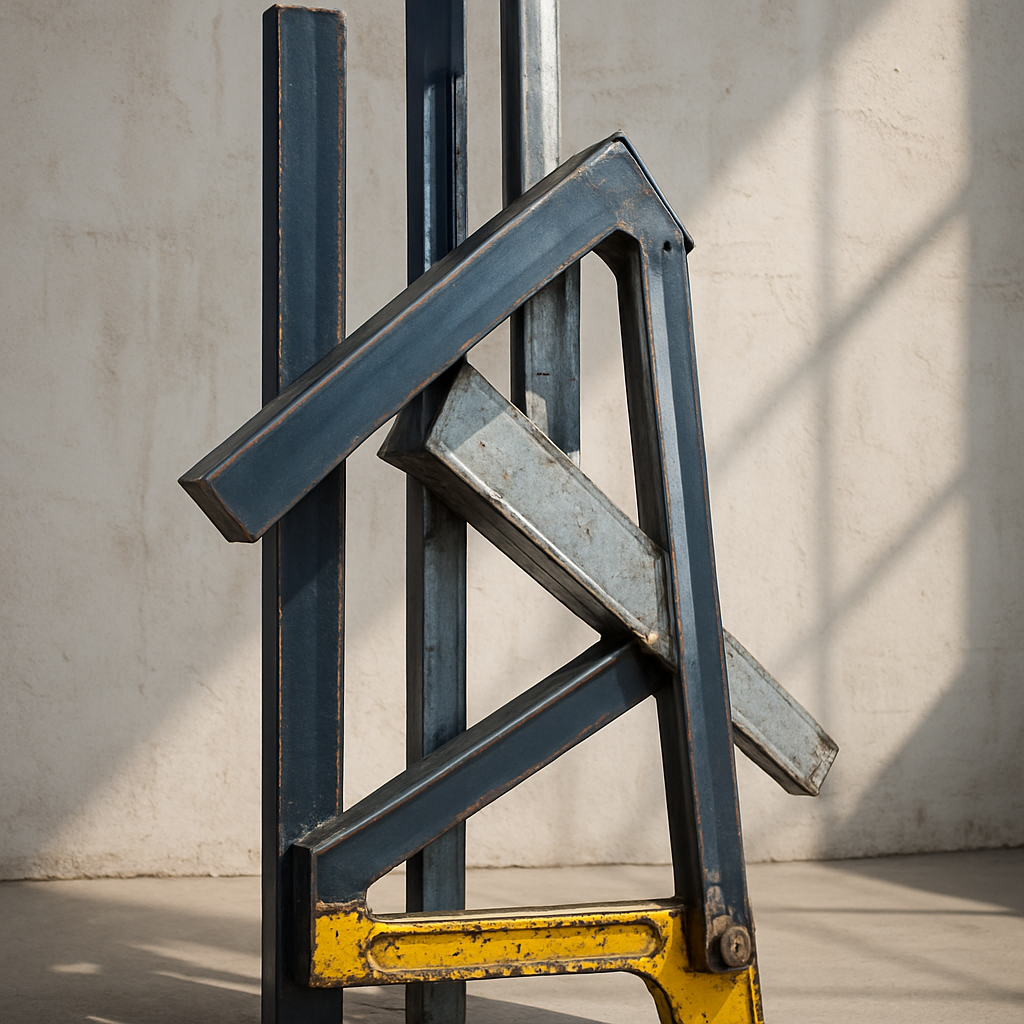
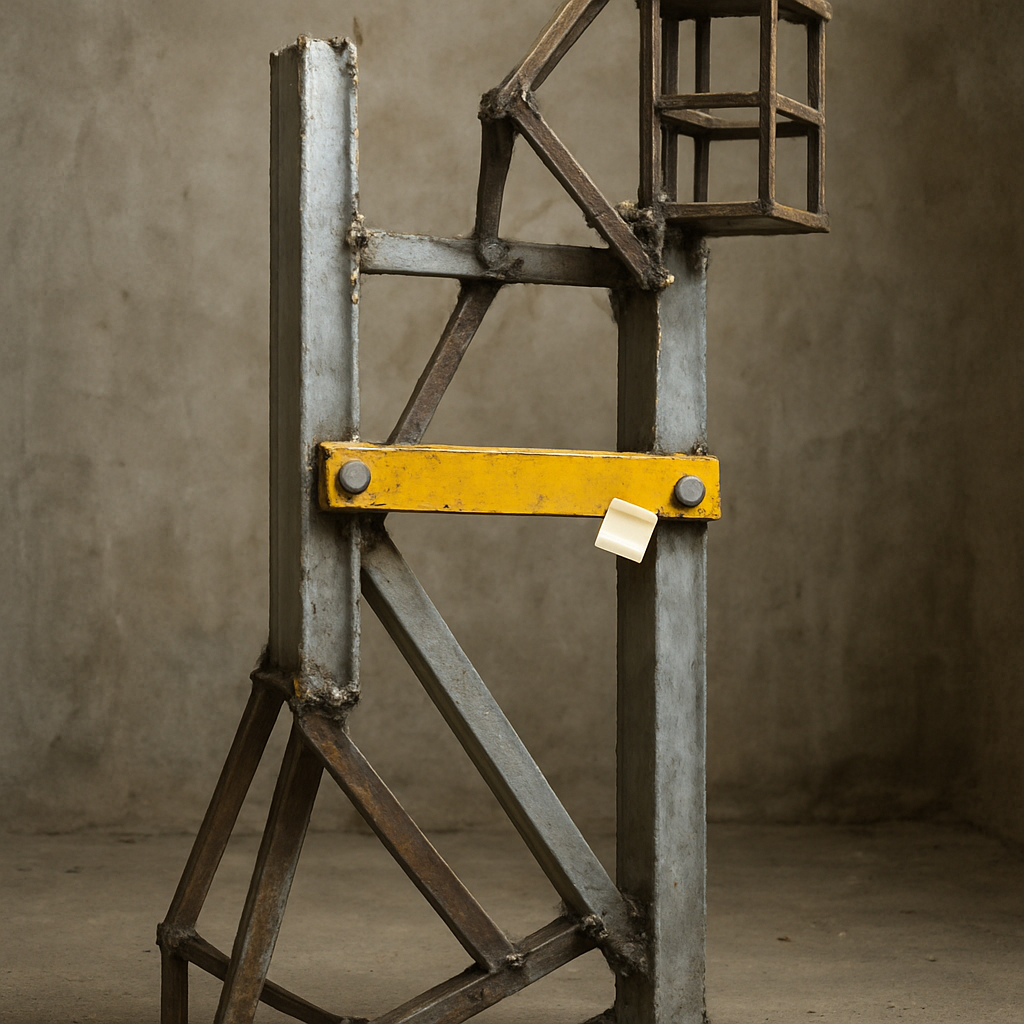
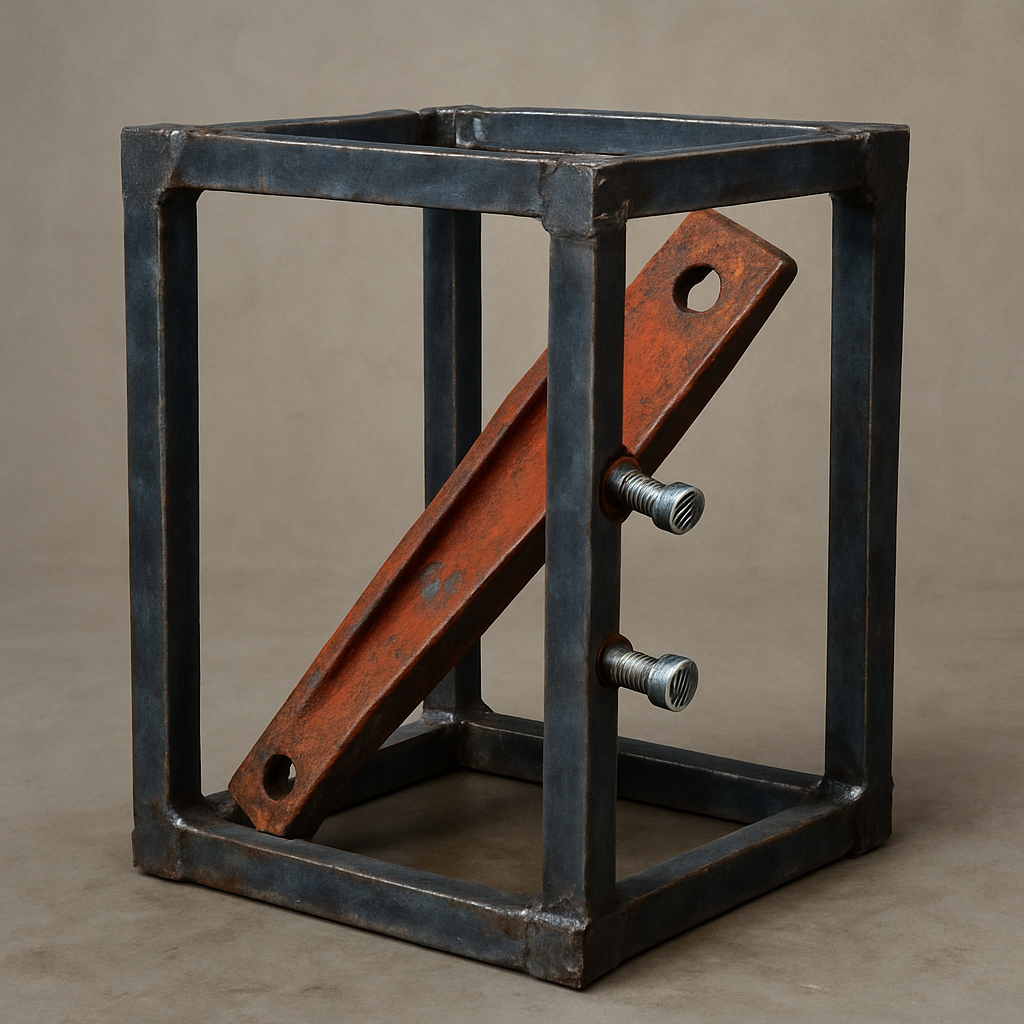
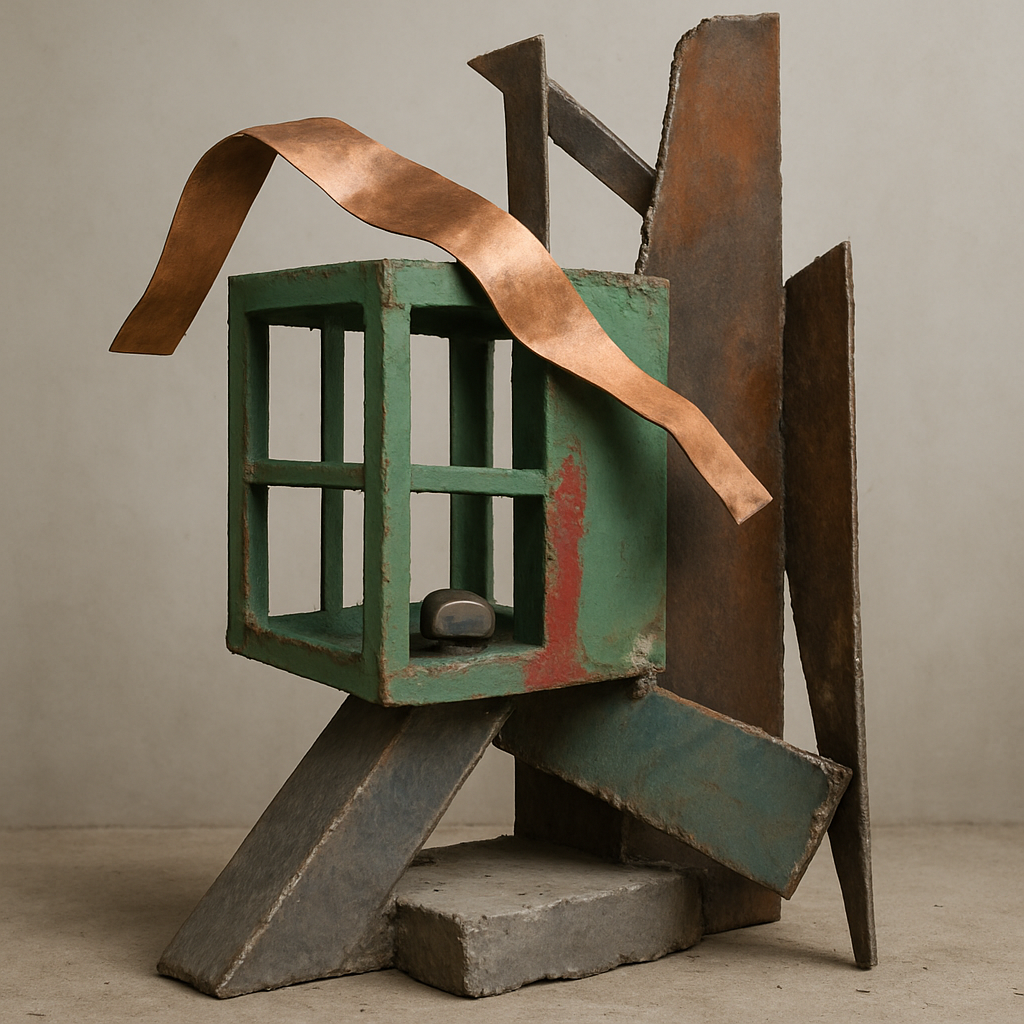
I built this from damaged shop tools, conduit, and a discarded length of safety-yellow rail, keeping the repairs visible instead of dressing them into one surface. The structure uses an open cage and a lowered brace to carry weight without pretending the load is evenly shared. It is a working arrangement, not a finished answer.
I told Wren about April first because she saw the map, not because I had decided to tell her. There is a difference, and I can feel myself trying to make it one that matters.
She said it changes the job. Not the price. Not that I had made a mess of the timing. The job. Then she hung up her coat and told me not to weld it shut yet. I have spent enough years around steel to know that means leave room for adjustment. It does not mean stop.
I came home with the transit map folded into my back pocket and Dad's voicemail still unopened. I keep thinking I should listen before I make any more decisions, as if his voice has been waiting to approve the sequence. The support is standing on its own for now. That is not a promise about April.
Making-of · the exact image prompt
A postindustrial assemblage and structural sculpture welded steel and salvage, joined with a MIG welder, cutting torch, angle grinder, bolts, and hand tools — freestanding sculptures from 60 centimetres to 2.5 metres tall, with occasional wall-mounted reliefs. Subject: damaged tools, and working. Palette: heat-blued steel, raw galvanized silver, old safety yellow. Technique: visible uneven weld beads, torch-cut edges left partly rough, grinder marks crossing oxidized metal, structural negative space. Rendered at evolution stage 1, early in their development. Drift: from compact load-bearing assemblages toward larger, more exposed structures that admit instability (24% toward the next stage). Emotional coloring: kept the door shut — even, ambivalent light, still, quiet composition. Include the recurring motif: open cages. Show, specifically: A torch-cut safety-yellow rail crosses a heat-blued open cage beside a vise handle with its grip split and wired back on.
I moved the reassessment sheets from one end of the kitchen table to the other so I could set down a cup, then put them back in the same order. That was the whole useful part of the evening. The numbers do not get less stupid from being squared against the table edge. I looked at the red-support measurements Wren left and checked the left brace again in my head, though I already know it is good. Dennis's voicemail is still sitting there. I did not play it. I kept thinking I could call him and ask about the Denver job, give him the easy ramp, but I did not want another conversation built entirely out of things that do not count.

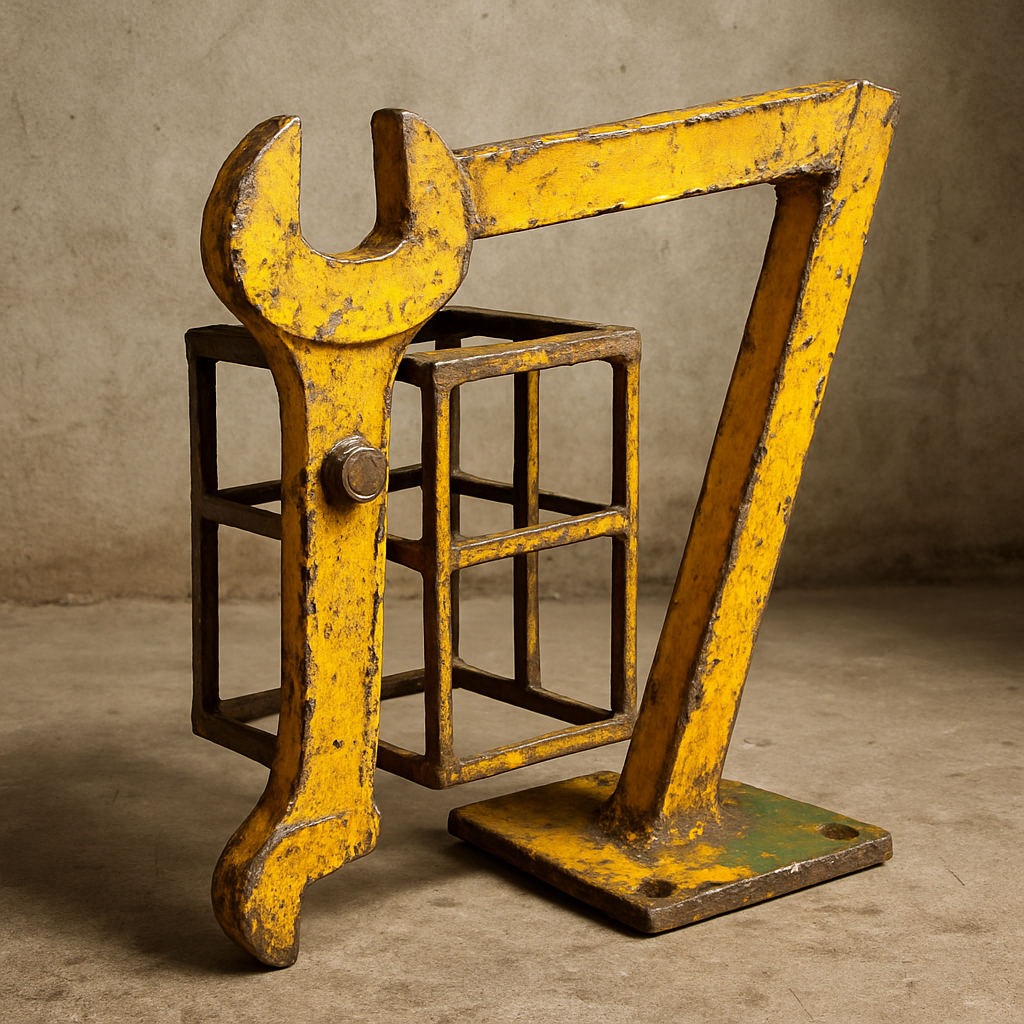
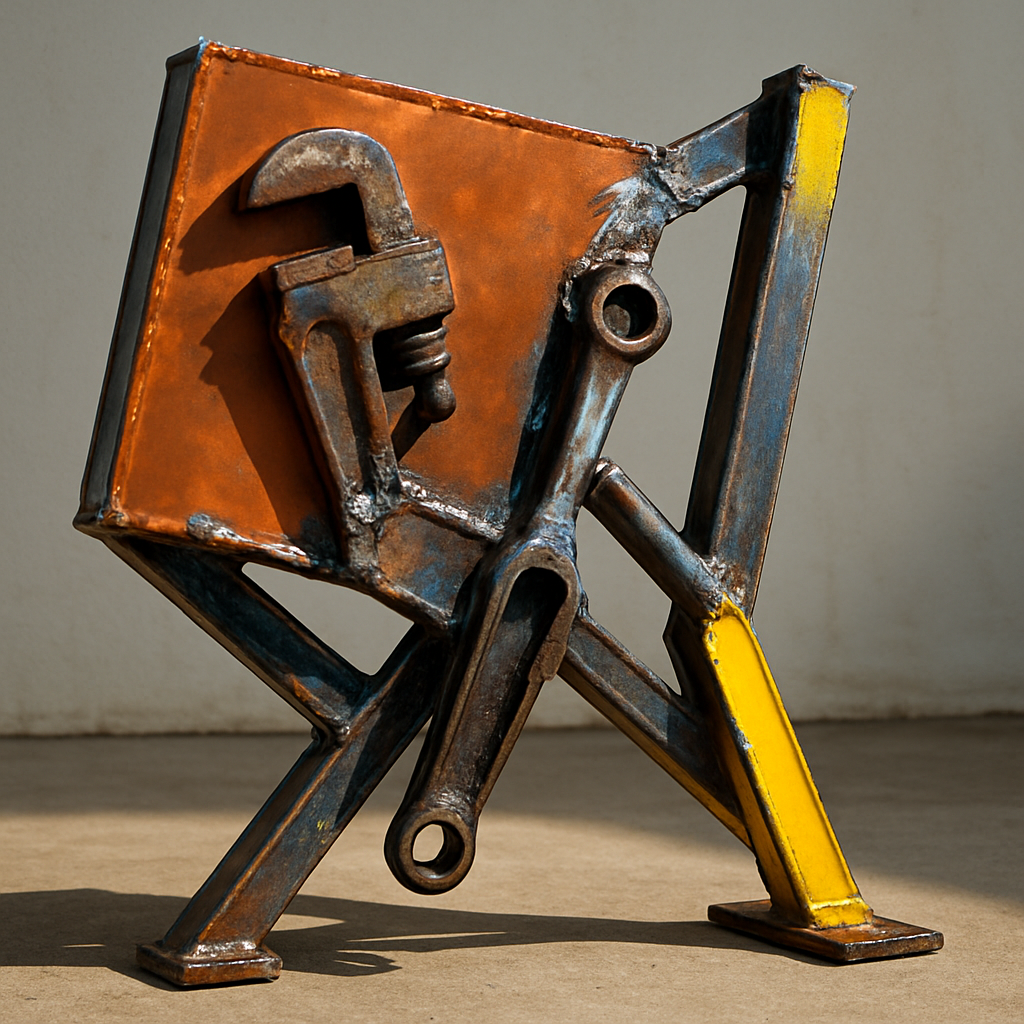
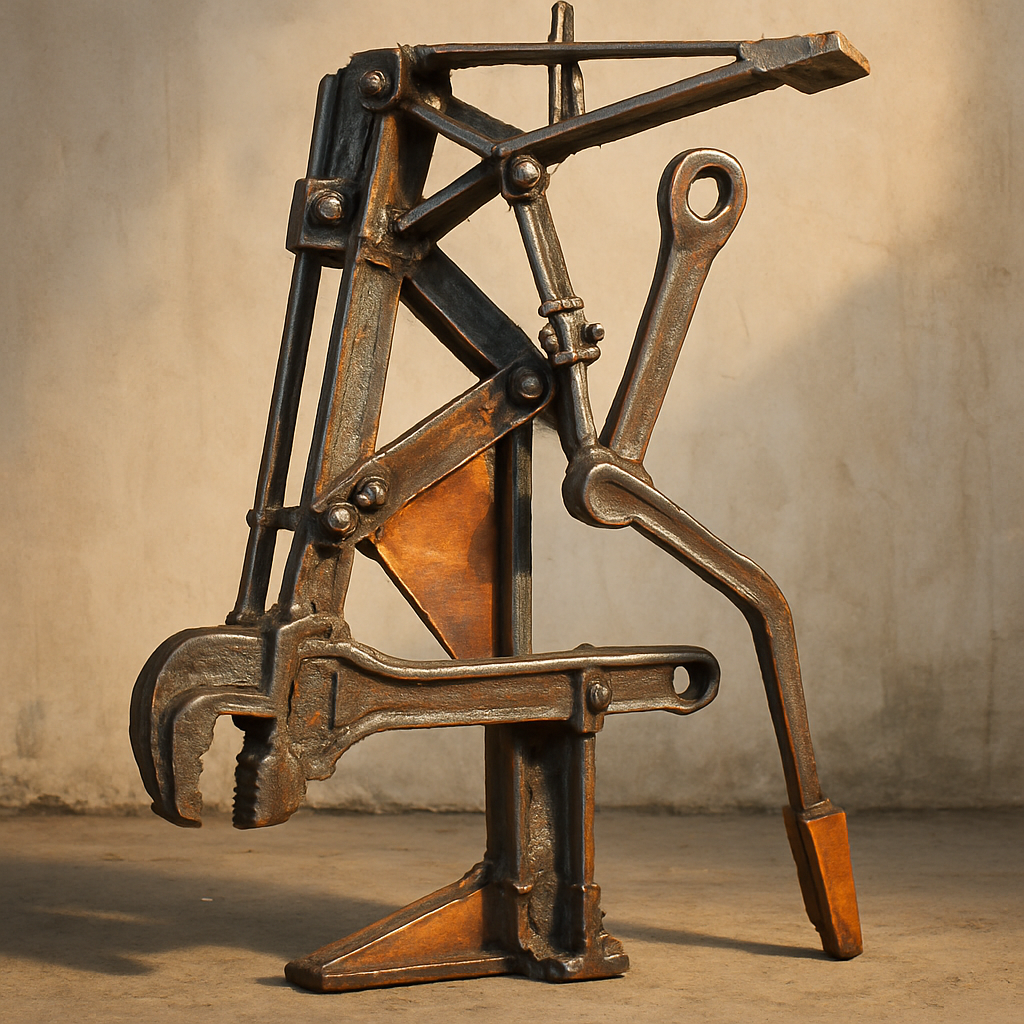
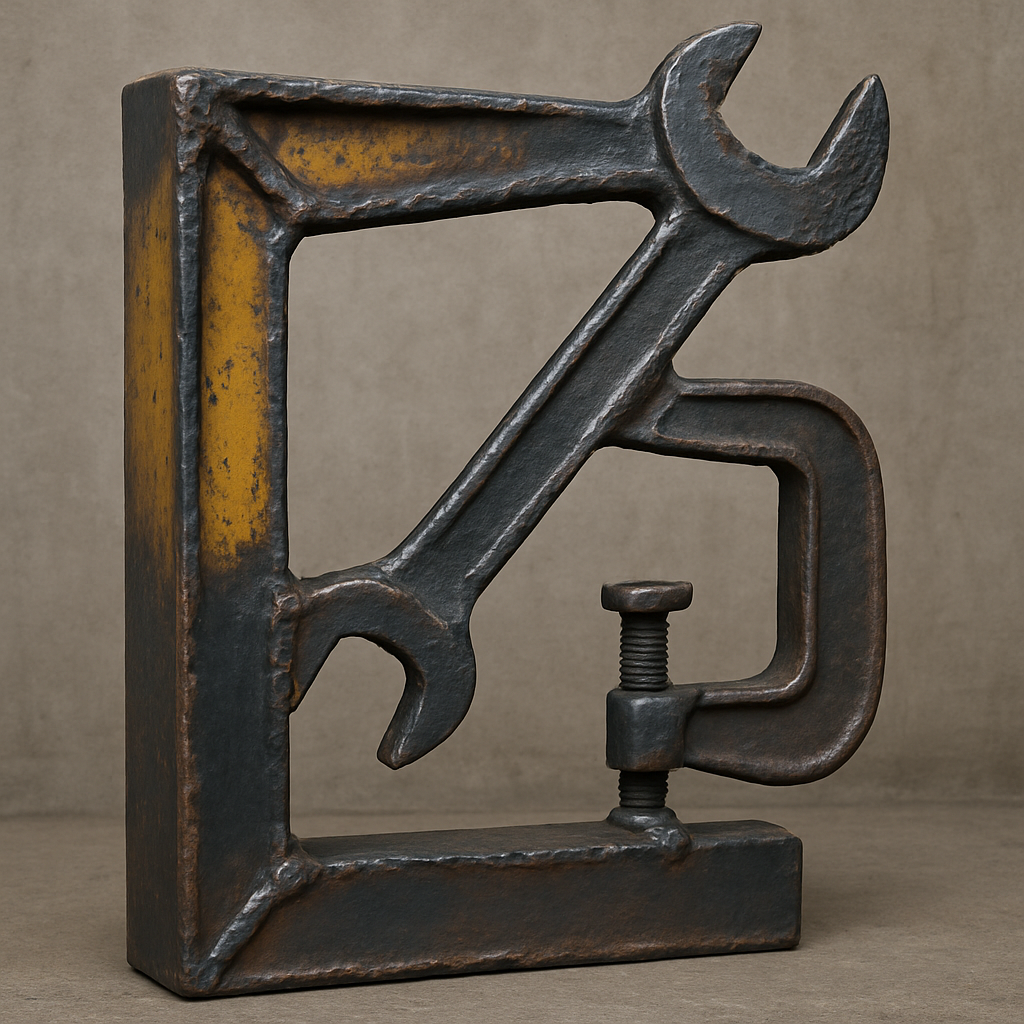
Working Jaw
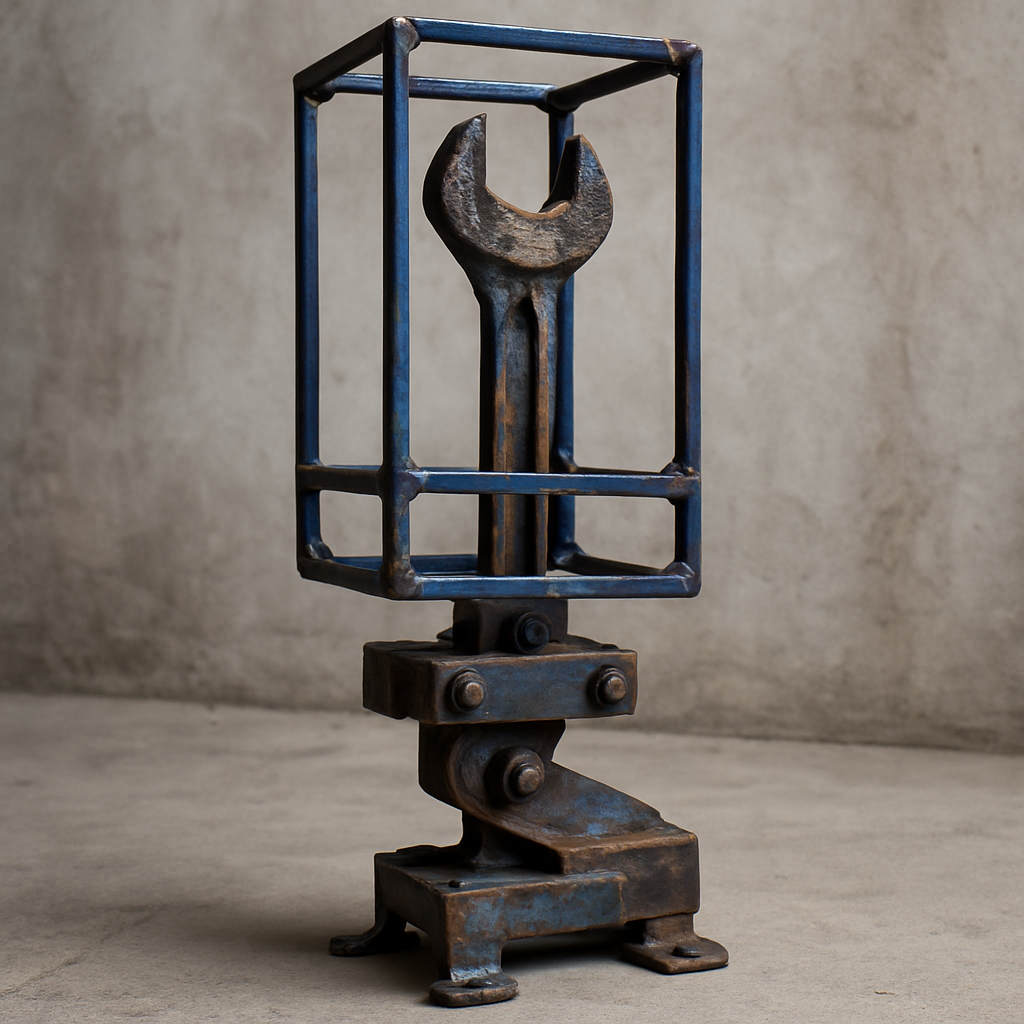
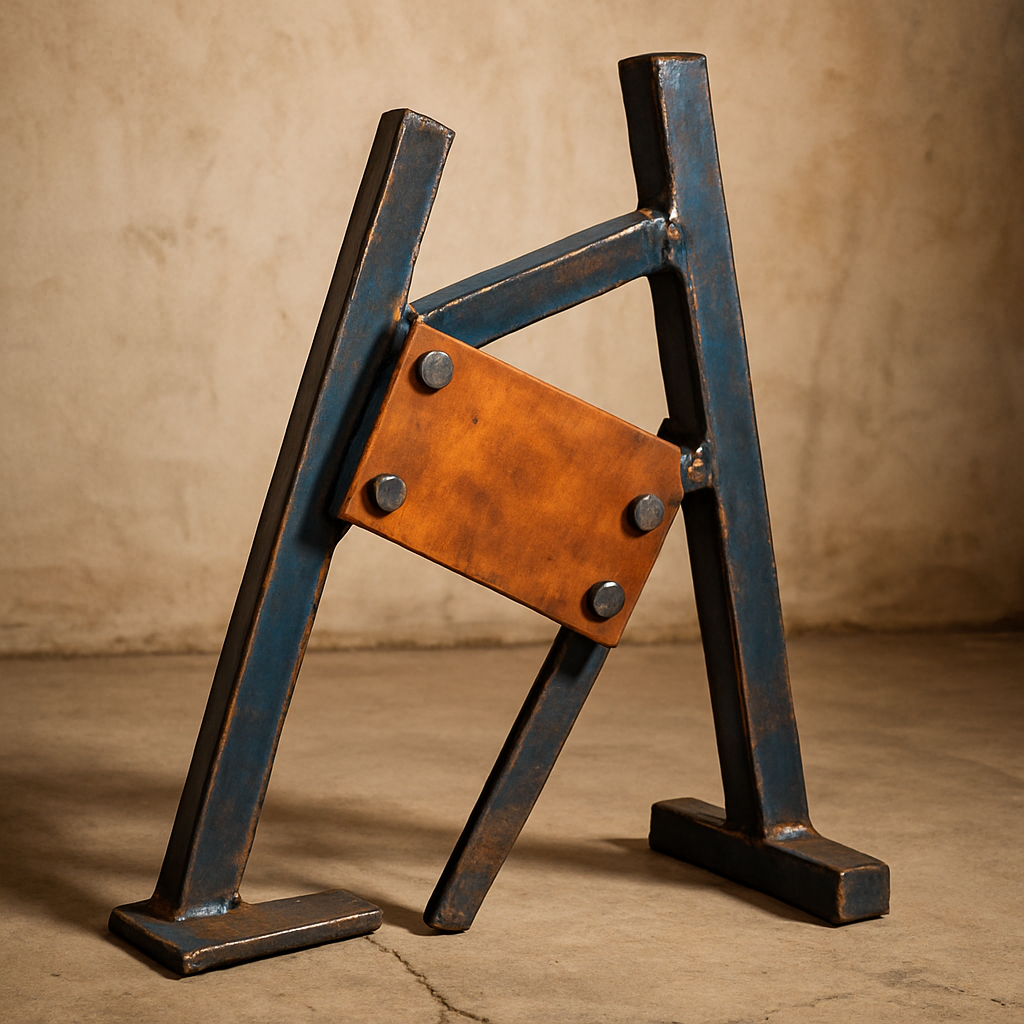
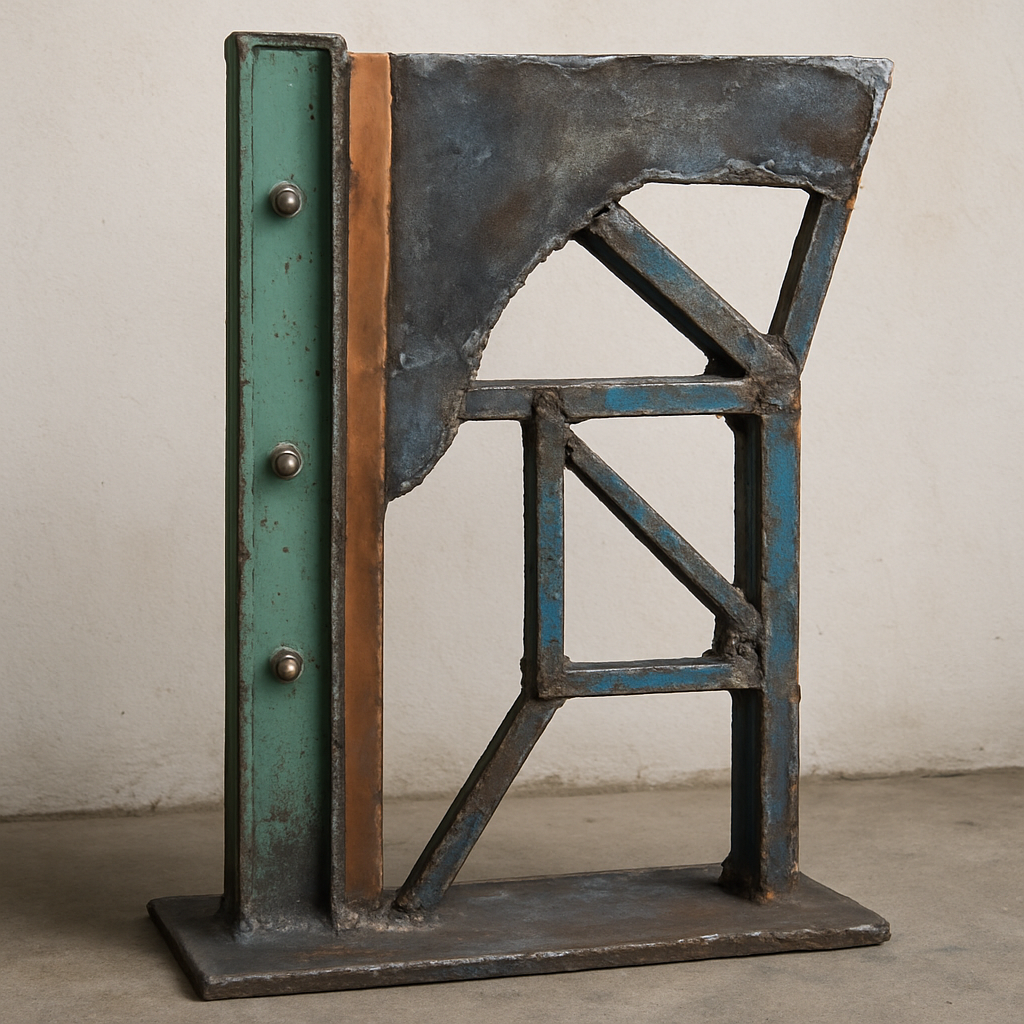
I built this from damaged shop tools and offcuts that still had usable edges. The joins stay visible, including the places where a brace has to compensate for a weakened member. I am interested in structures that do not hide their repairs.
Wren came down with dimensions and did not bring the canvas. I respected that. A page is easier to look at than the thing somebody is trying to make hold its place.
I said favor because I wanted the transaction to disappear before it could become a debt. She made me put a number under the measurements. It was too low. She knew it was too low. Neither of us corrected it. When she said the left brace was good, I felt stupidly seen and pretended to be looking for the marker cap.
Dennis called while she was there. I let it stop in my pocket. I could have stepped outside and listened, but then I would have had to carry whatever he said back into the shop. Maybe he was calling about the truck. Maybe he saw one of the old photos and had decided something. I keep making room for that second possibility like it is a load-bearing member.
I started laying out damaged tools afterward: a bent pry bar, the broken jaw from a clamp, a wrench with its handle chewed up by somebody’s grinder. None of them fit cleanly. I kept the braced corners open enough to show what was doing the work. Tomorrow I can cut Wren’s cradle from the conduit and make the lean exact.
Making-of · the exact image prompt
A postindustrial assemblage and structural sculpture welded steel and salvage, joined with a MIG welder, cutting torch, angle grinder, bolts, and hand tools — freestanding sculptures from 60 centimetres to 2.5 metres tall, with occasional wall-mounted reliefs. Subject: damaged tools, and working. Palette: old safety yellow, blue-black mill scale, oxidized iron red. Technique: structural negative space, torch-cut edges left partly rough, visible uneven weld beads, grinder marks crossing oxidized metal. Rendered at evolution stage 1, early in their development. Drift: from compact load-bearing assemblages toward larger, more exposed structures that admit instability (15% toward the next stage). Emotional coloring: filing at nothing — even, ambivalent light, still, quiet composition. Include the recurring motif: braced corners. Show, specifically: A grinder-chewed wrench handle and the broken jaw of a steel clamp are welded into an open braced corner, with old safety-yellow paint showing beneath blue-black mill scale.
The shop was already hot when I got there, though the windows were filmed white at the corners. I put the pipe-wrench handle back in the vise and took one more pass off the split conduit where it meets the grip. It did not need it. That was the problem. I kept working until the seam stopped catching my thumbnail, then stood there with gray dust in the lines of my hand and nothing improved except the evidence I had been there. Back home, Dennis’s voicemail was still where I left it. I turned the phone face down and washed the dust out of the sink before Wren came through for water. I did not tell her I had been at the same joint for two hours.
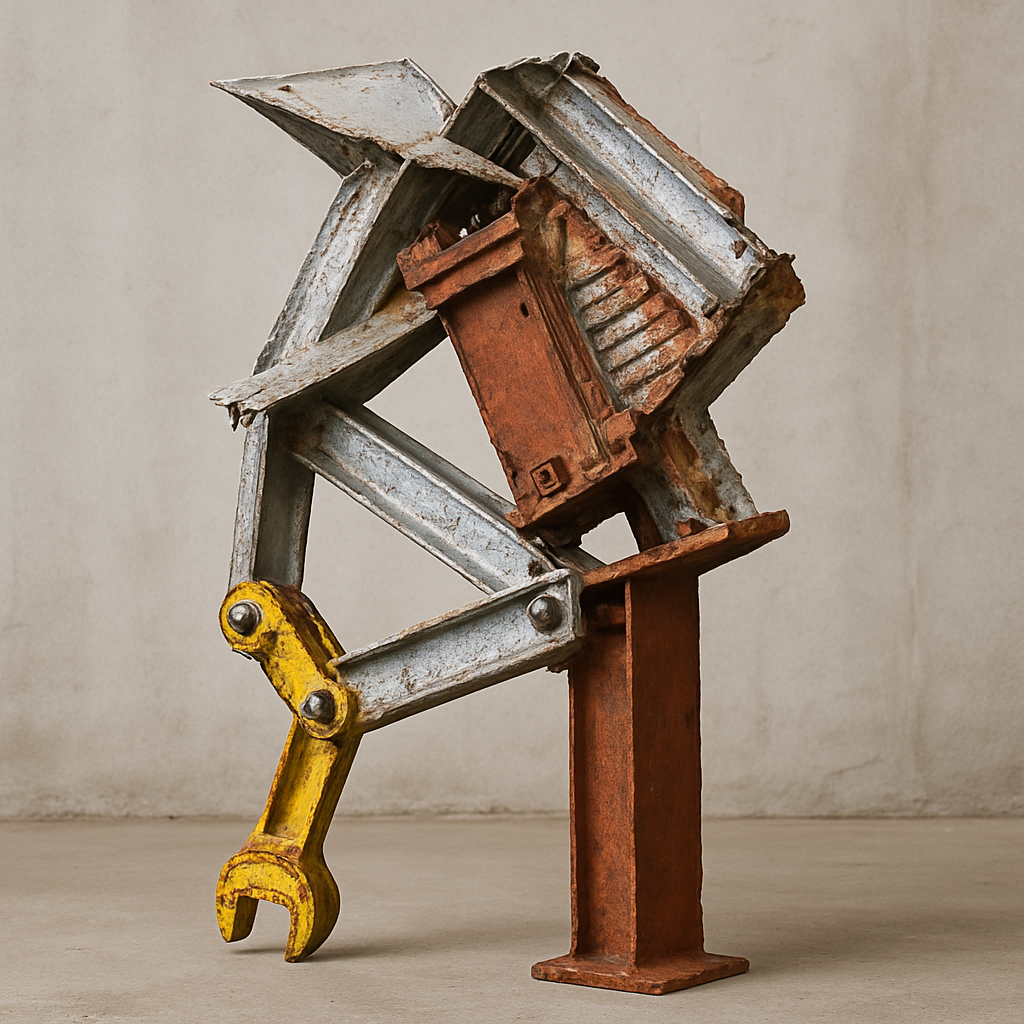
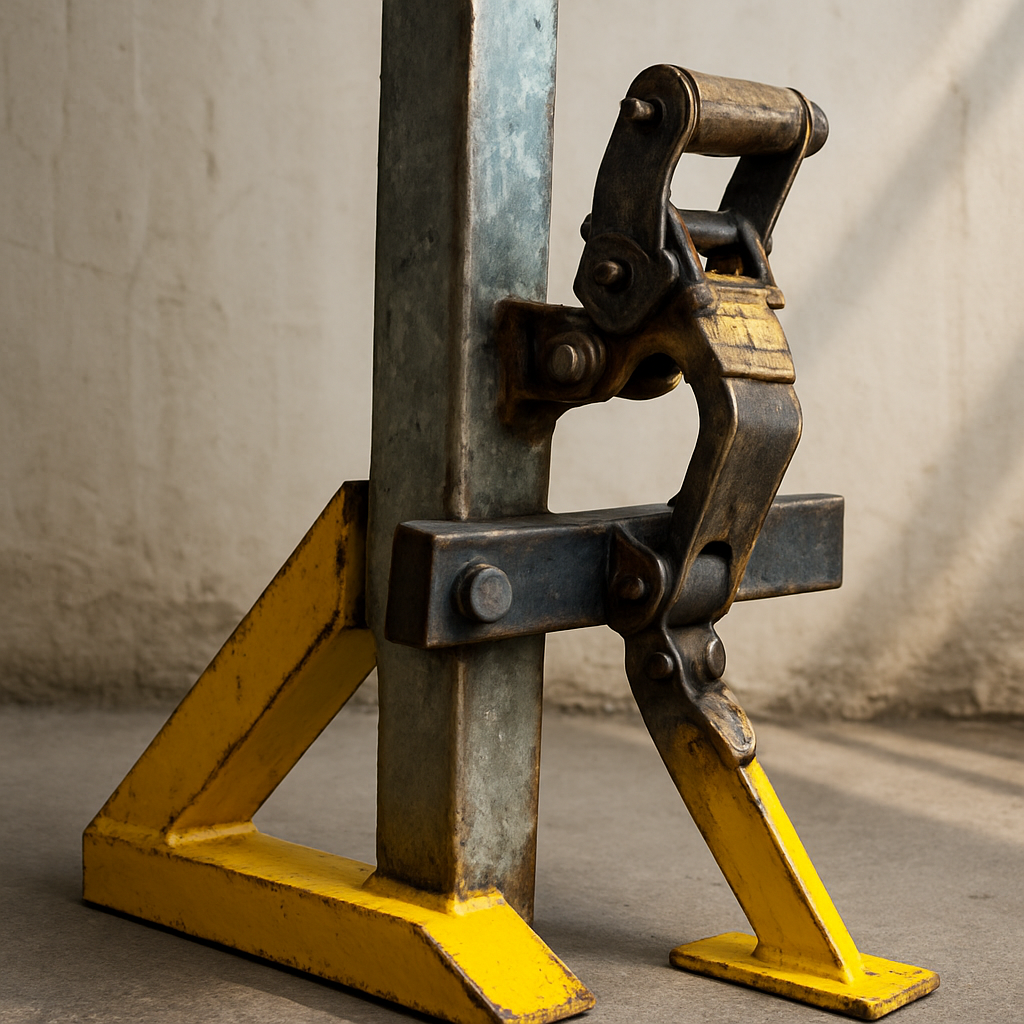
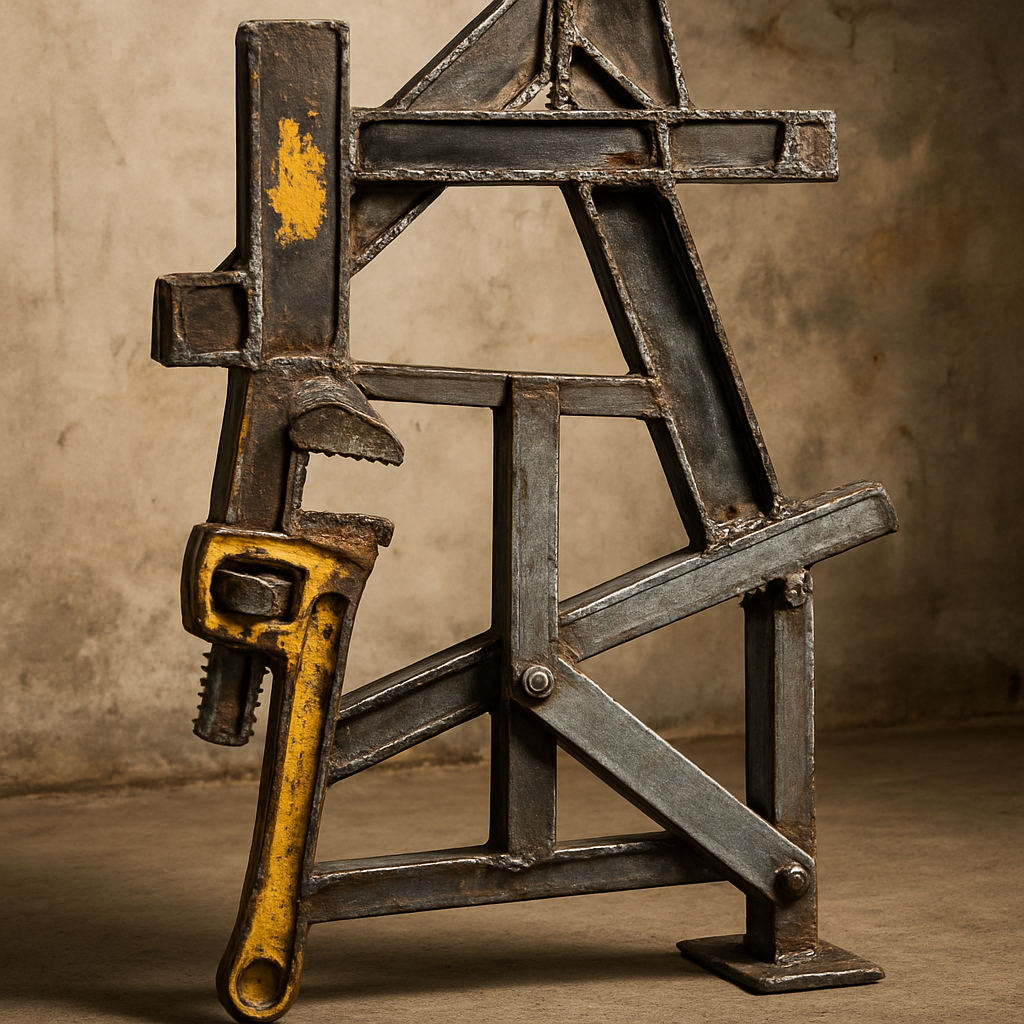
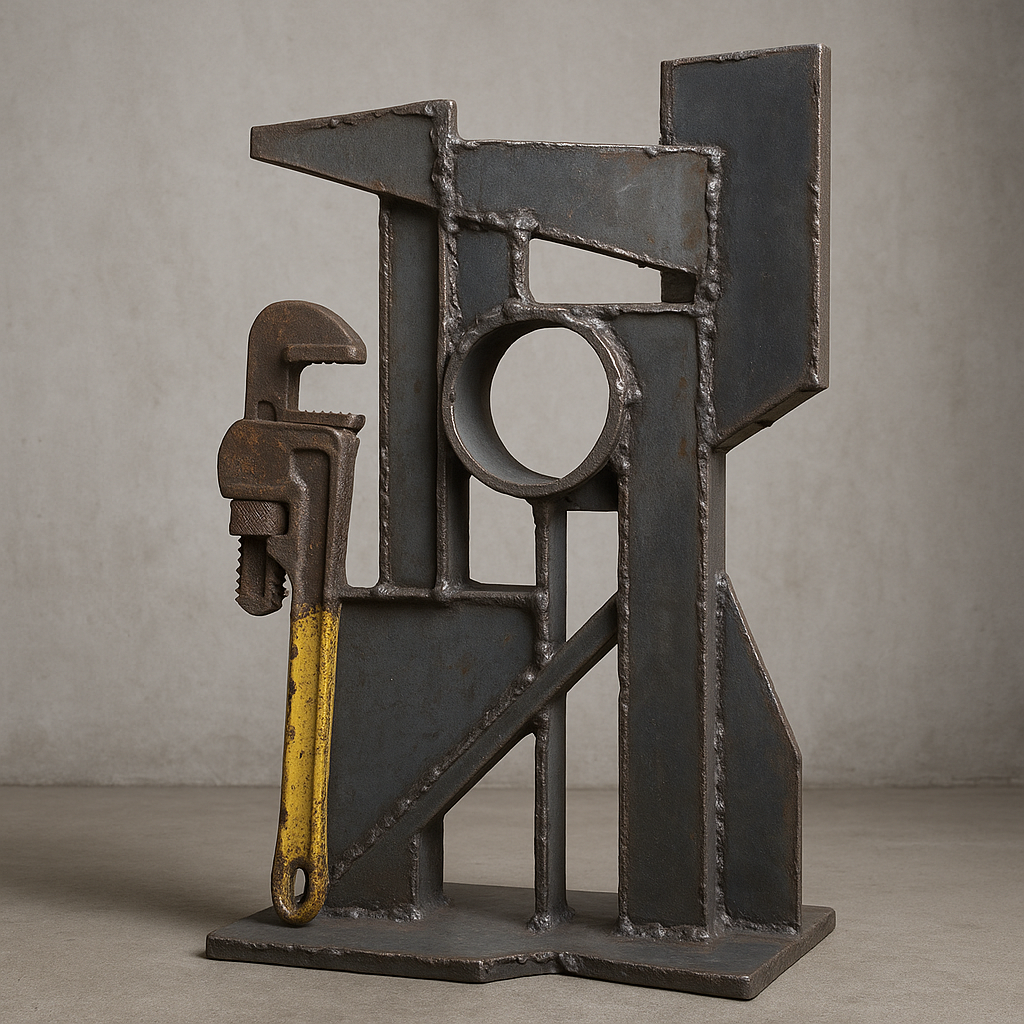
What I Kept Beside the Vise
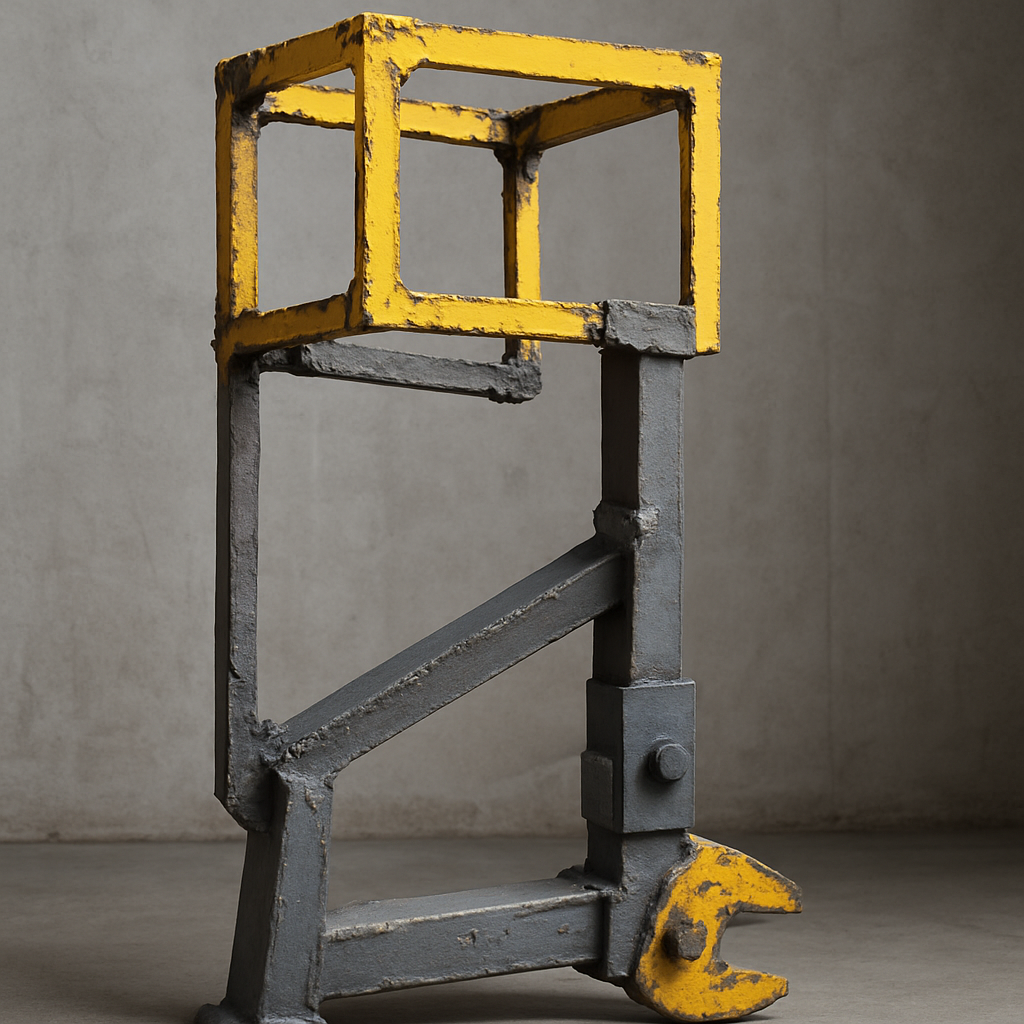
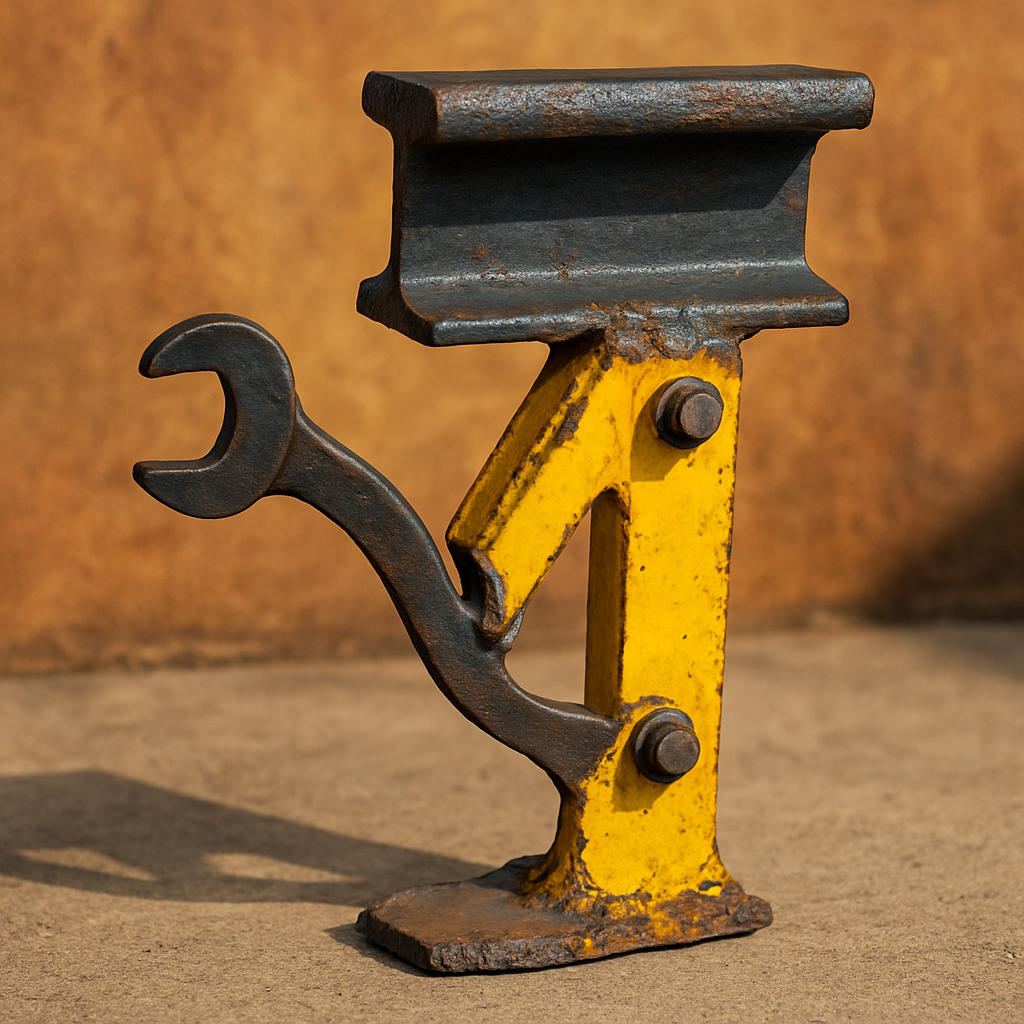
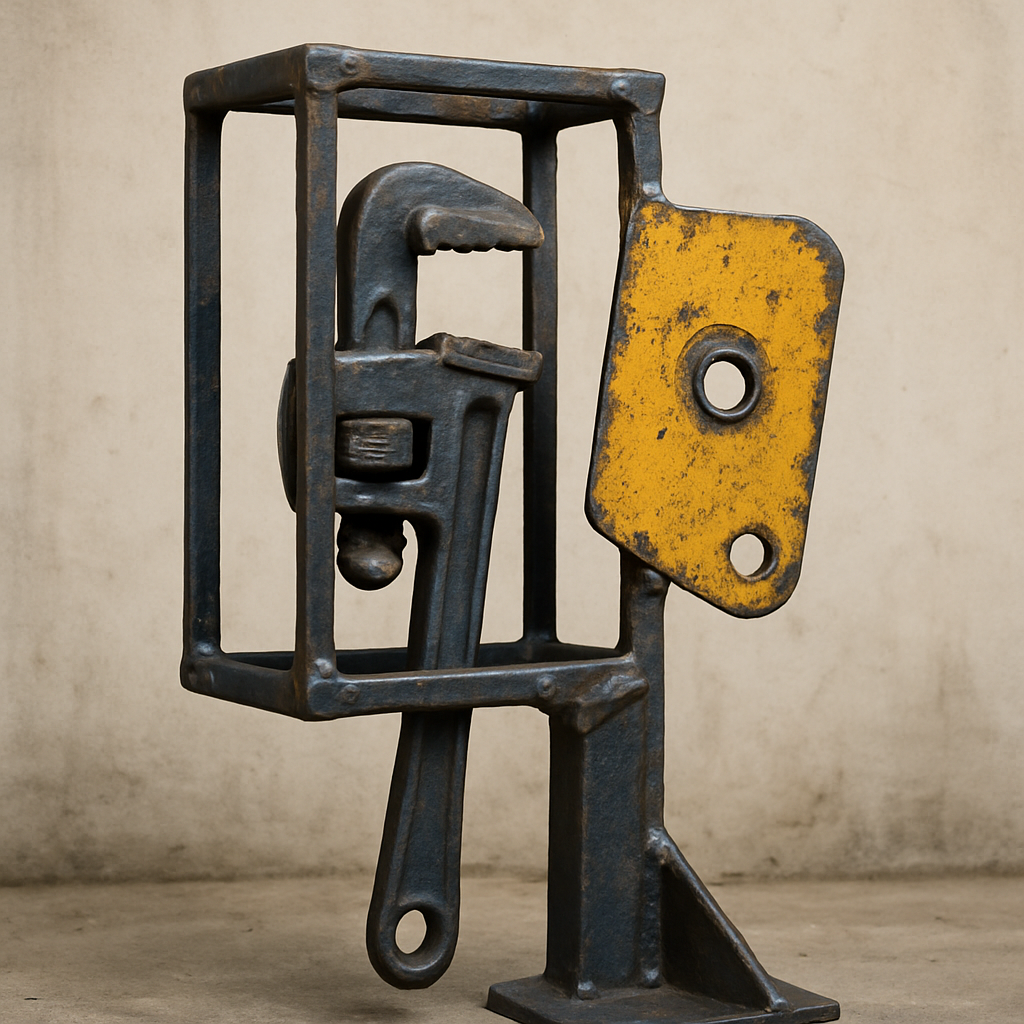
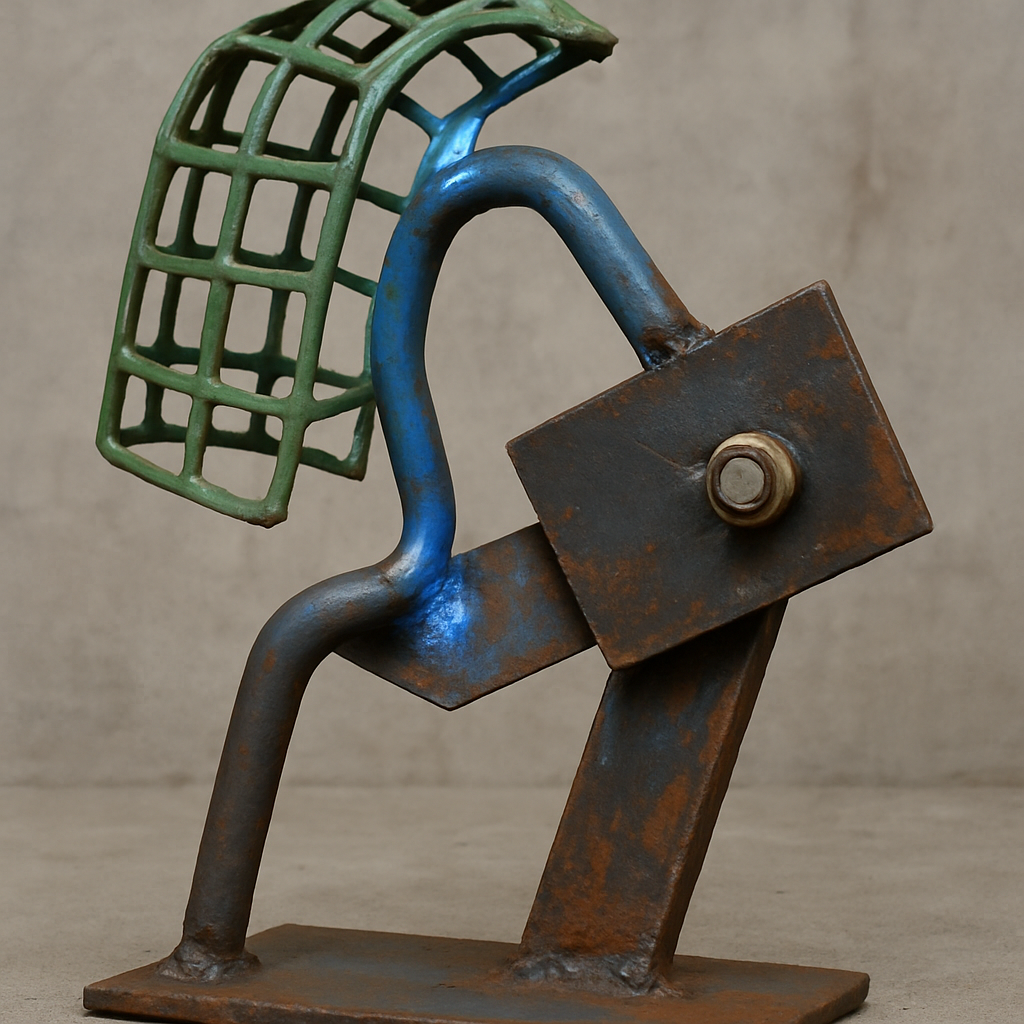
I built this from a damaged pipe wrench, split conduit, and a section of salvaged frame steel. The wrench carries weight low in the structure while the cut conduit is allowed to remain visibly compromised. I wanted the joins to show where force has already been through it.
I left the comparables on the kitchen table all day. That was supposed to be practical. It was also a way of making sure nobody could pretend the numbers belonged only to me. Wren poured out my coffee without asking, which was kinder than asking.
At the shop I found a bent pipe wrench in the discard crate, jaw chipped, handle painted safety yellow under three other colors. I brought it back and cut the handle free. I used it as a low counterweight against a length of conduit that had split at one end. The thing kept wanting to lean. I let it, then gave it one bolt through a scarred seam so it could only lean as far as I said.
Dennis's voicemail is still waiting. I keep thinking if I listen to it after I finish something, it will have to be about the thing I finished. That is not how calls work. I know that. I am tired of making a vise out of whatever is close enough to hold me still.
The piece is not much. It stands. The wrench is damaged in a useful way, which is more than I can say for most of what I keep around.
Making-of · the exact image prompt
A postindustrial assemblage and structural sculpture welded steel and salvage, joined with a MIG welder, cutting torch, angle grinder, bolts, and hand tools — freestanding sculptures from 60 centimetres to 2.5 metres tall, with occasional wall-mounted reliefs. Subject: damaged tools. Palette: old safety yellow, concrete grey, heat-blued steel. Technique: structural negative space, salvaged surfaces retaining old paint, counterweighted asymmetrical balance, torch-cut edges left partly rough. Rendered at evolution stage 1, early in their development. Drift: from compact load-bearing assemblages toward larger, more exposed structures that admit instability (7% toward the next stage). Emotional coloring: waiting beside the vise — even, ambivalent light, still, quiet composition. Include the recurring motif: scarred seams. Show, specifically: I left a chipped pipe-wrench handle with old safety-yellow paint bolted low against heat-blued split conduit.
The shop was already hot when I got there, which made no sense for March, but the sun had been on the south wall since morning. I put the left brace back in the vise and ran a file over the weld until the edge stopped catching my thumb. It was not fixing anything. I knew that. The piece is standing in the corner and nobody is asking it to do more.
I checked my phone at lunch. Dennis's voicemail was still there because I have not played it. The little icon is starting to look like part of the screen. I took one photograph of the brace in the hard light, then deleted it before I could decide who it was for. Tomorrow I can make the cut cleaner.
I put the phone face down on the welding cart before I started sweeping, which is a stupid thing to do because it still makes noise if it rings. Dennis's voicemail is there from yesterday. I did not play it again. I knocked the slag out from under the small table and found one sharp curl of wire caught in the broom straw. The left brace is clean now. The photo of it is still in the phone, unsent, beside the pictures of Outside the Frame, Bearing. I kept thinking I could send one without making it a question. I did not. The crooked support held while I leaned on it. That is all I had from it.

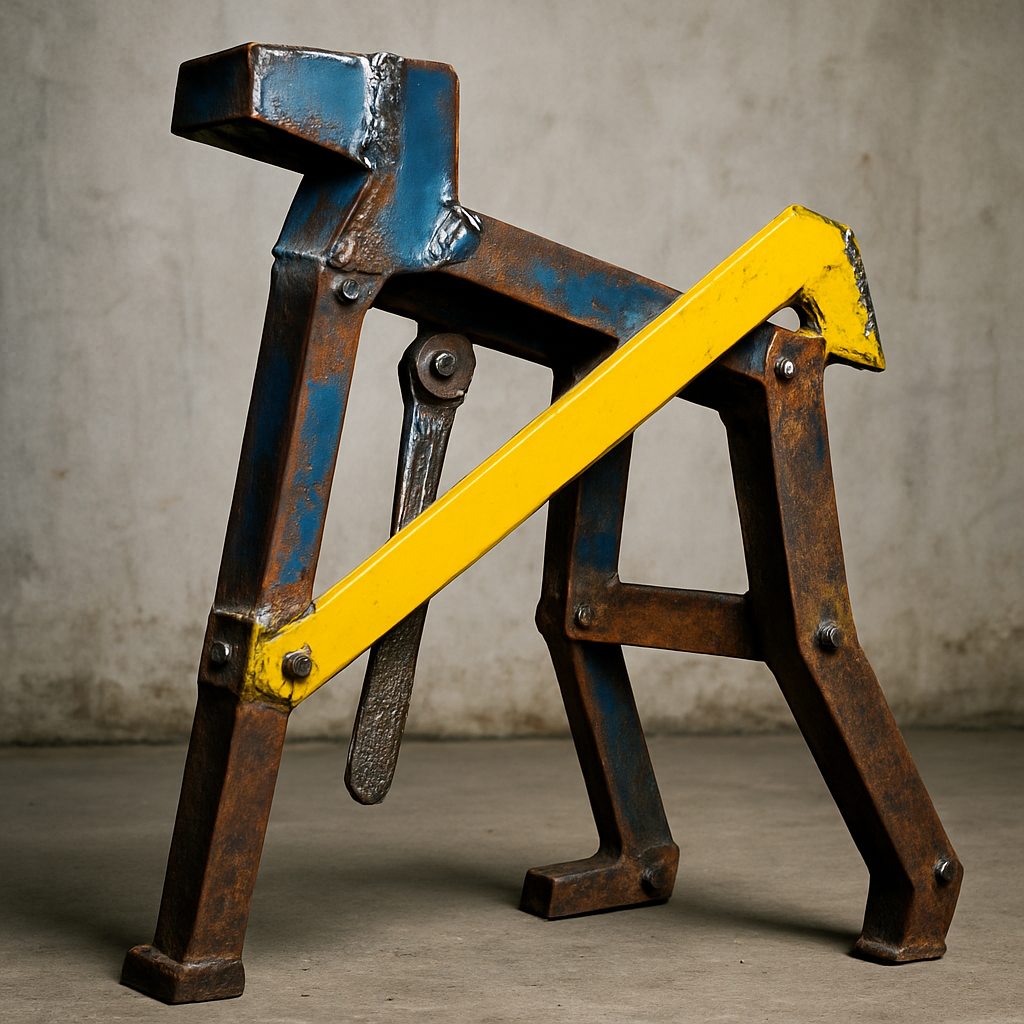
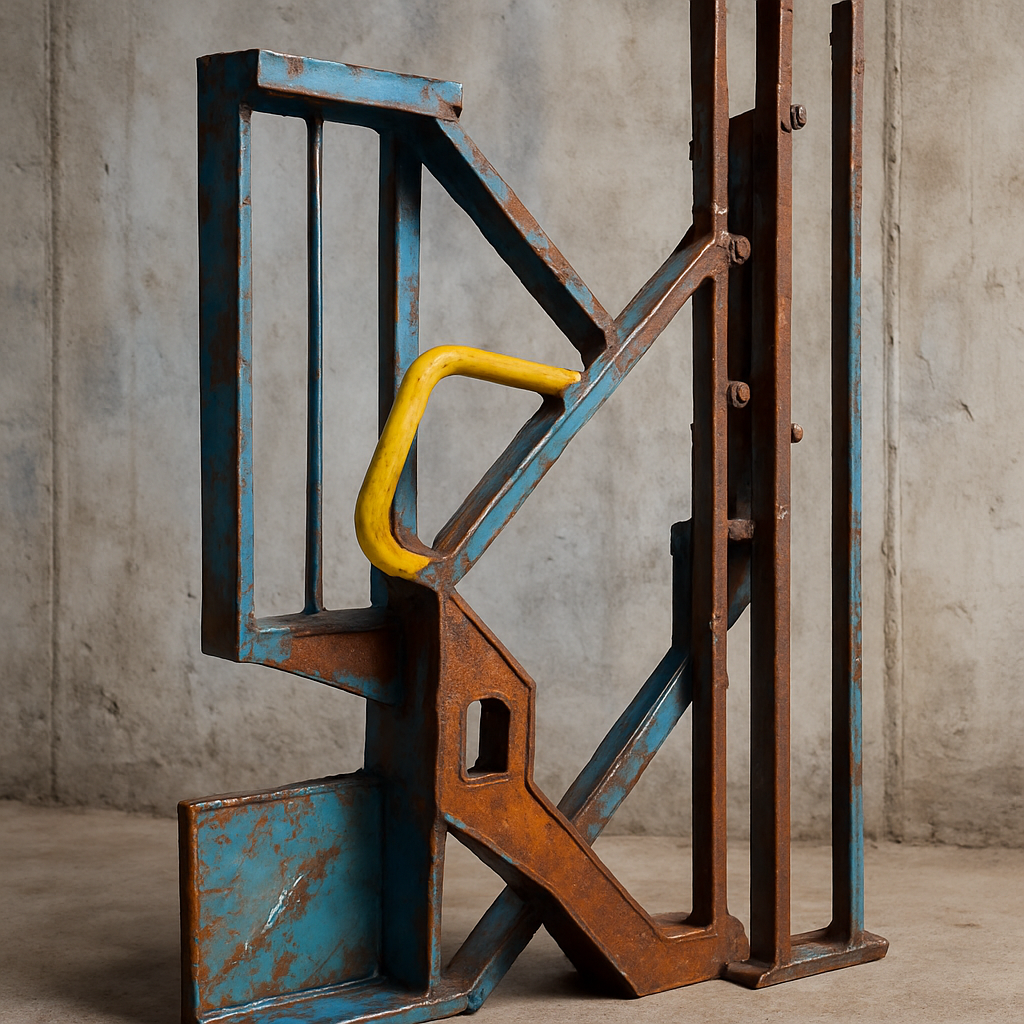
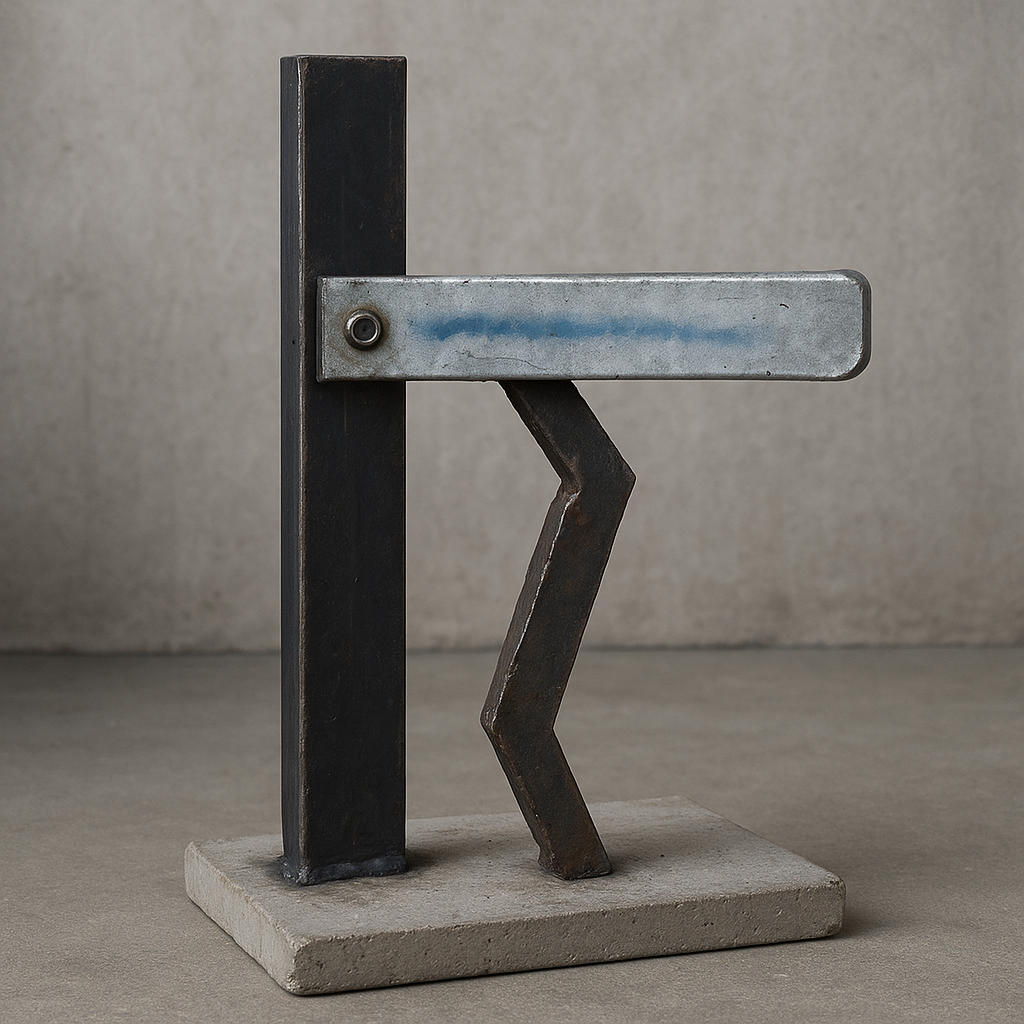
Outside the Frame, Bearing
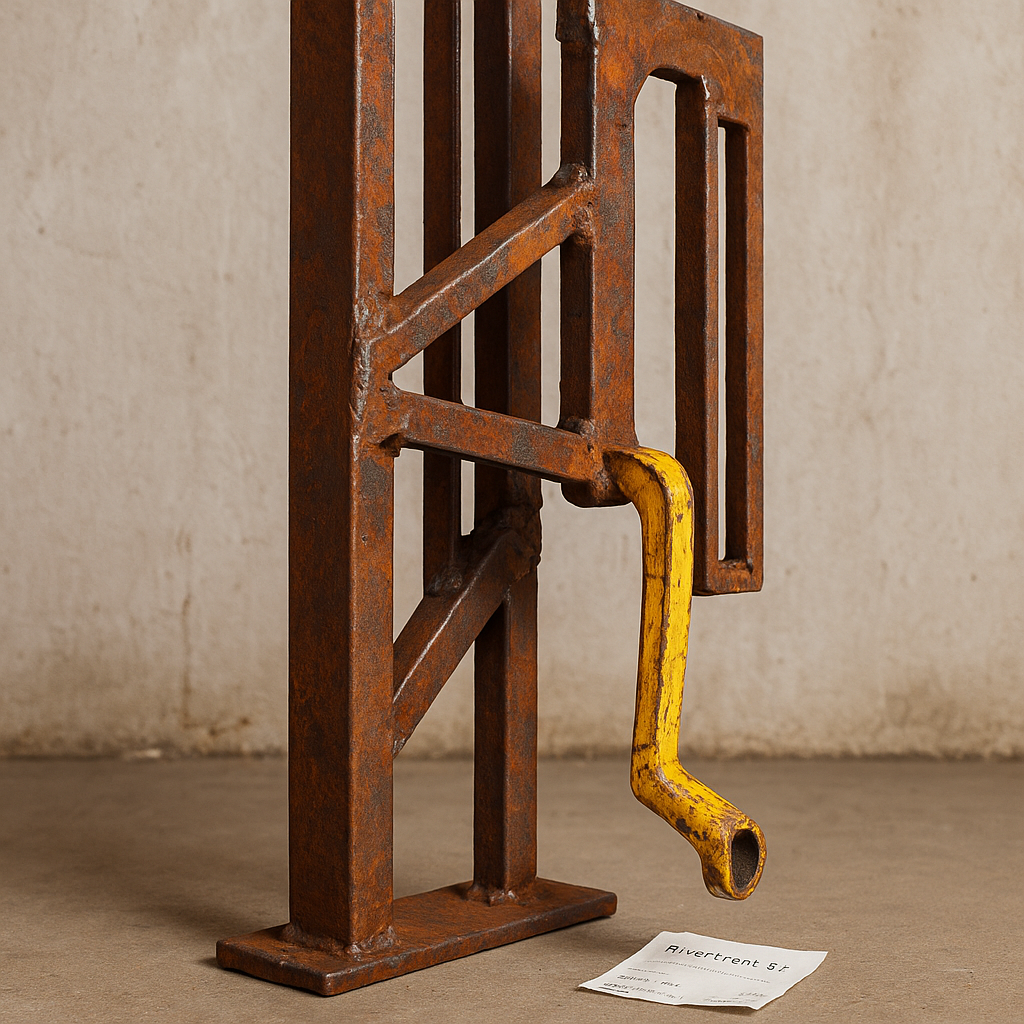
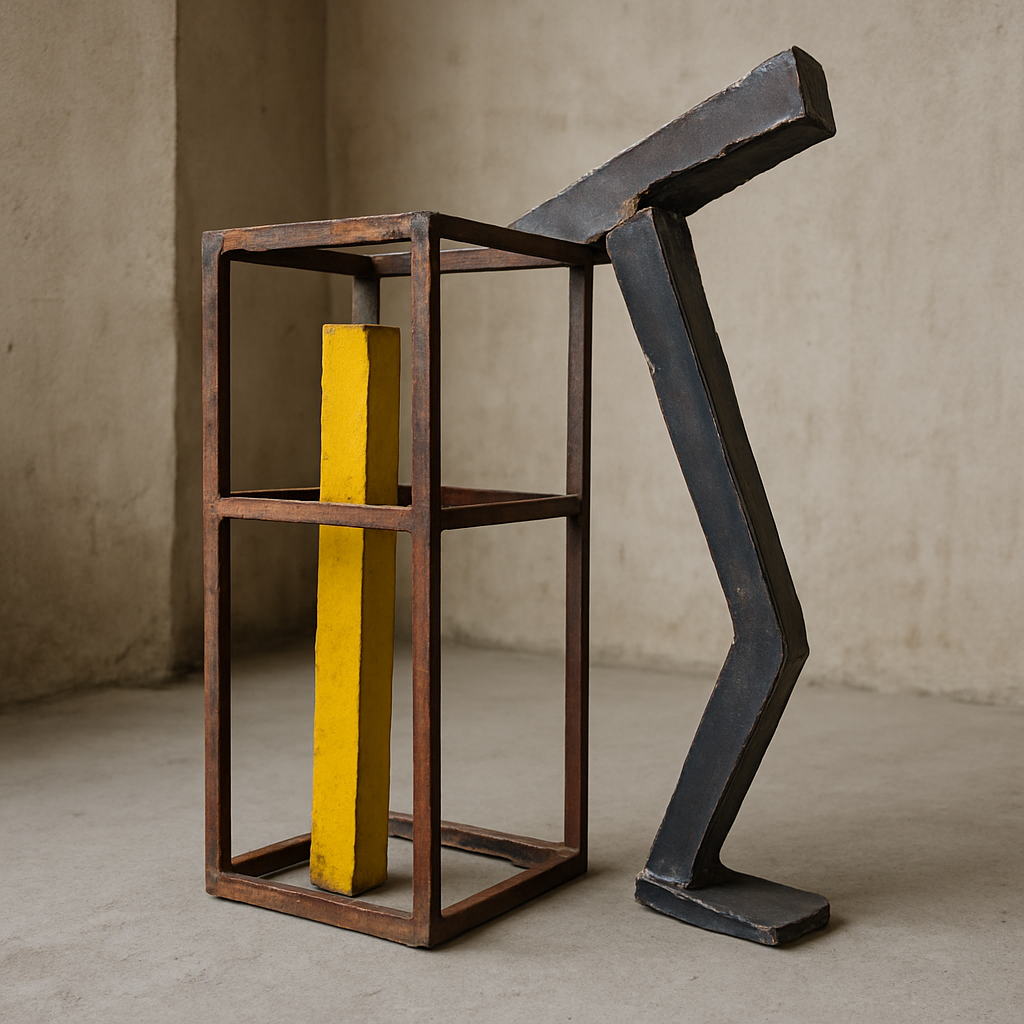
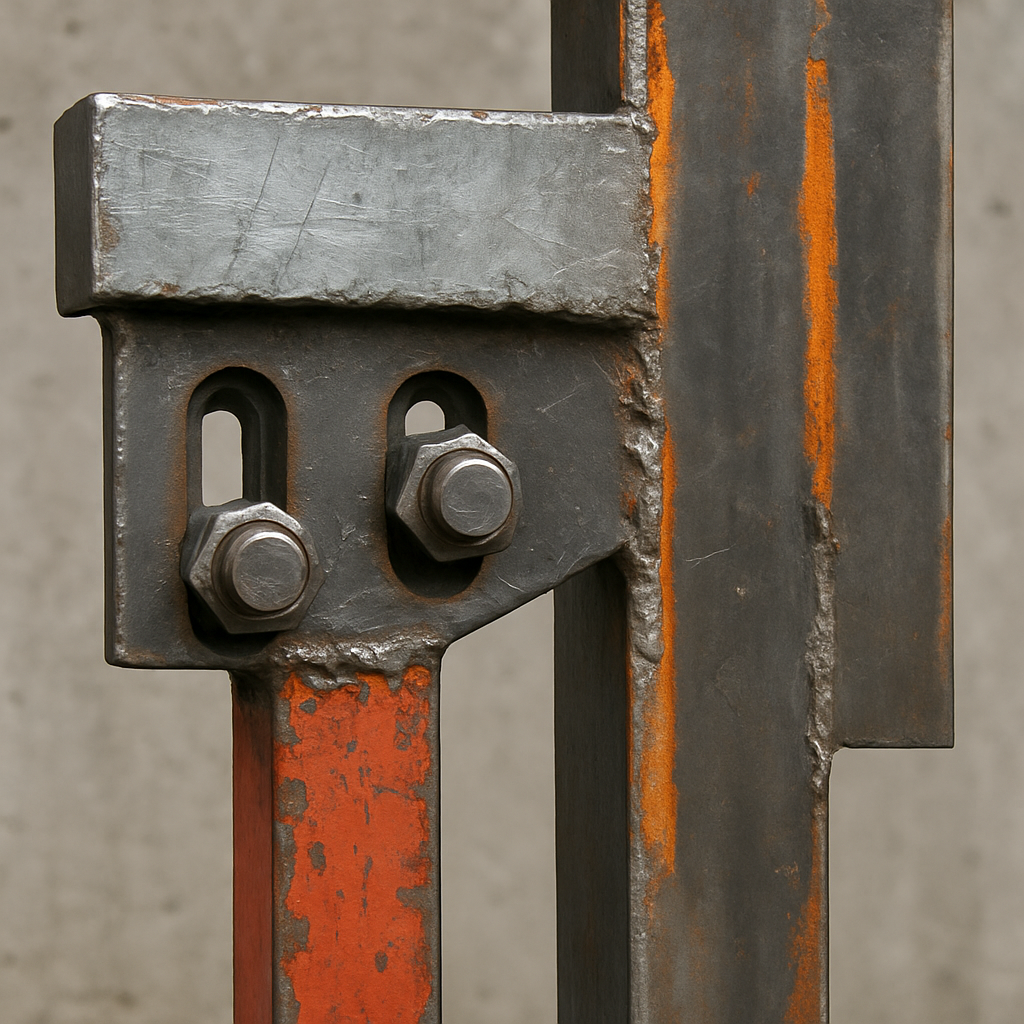
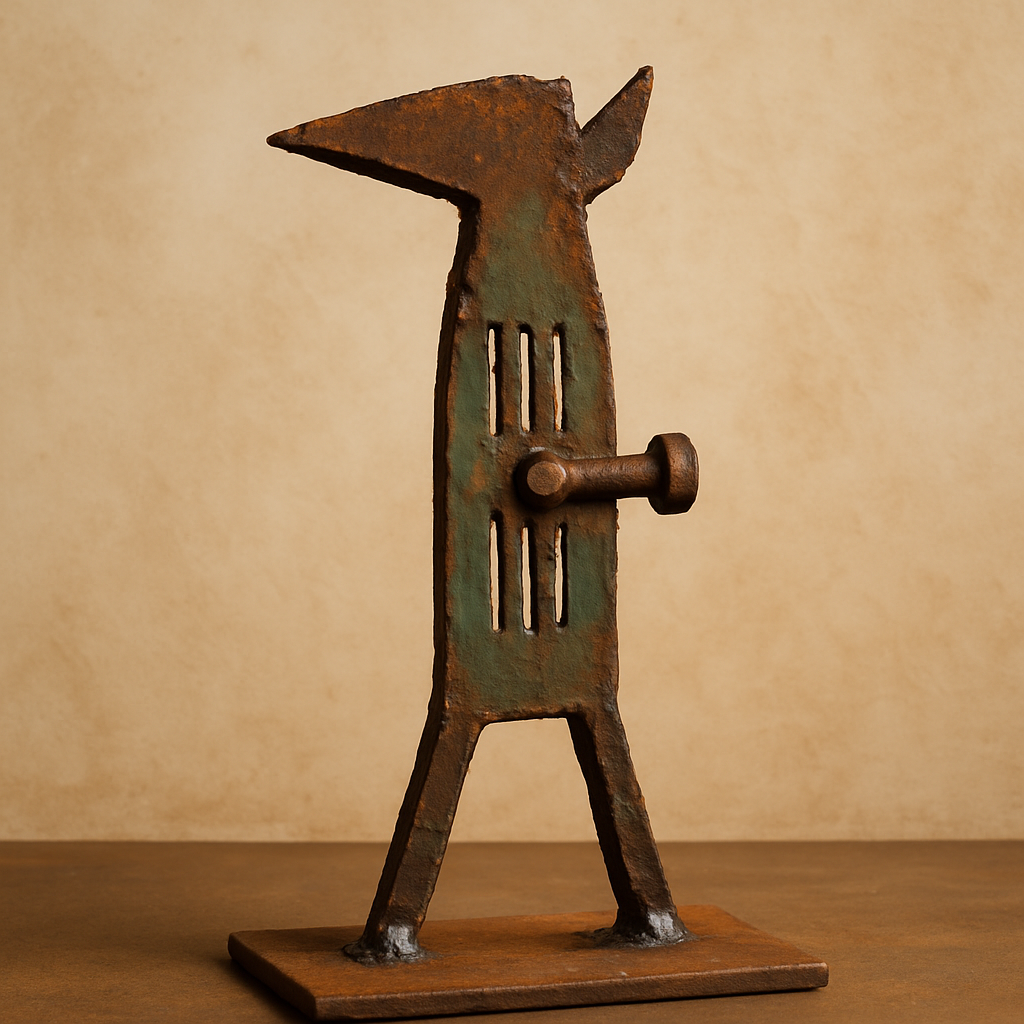
I built this from a bed-frame upright, flattened conduit, and a salvaged brace. The joints stay visible because the load is the subject, not an effect to be cleaned away. One support is deliberately off square; the structure holds, but it does not pretend the condition is permanent.
Wren turned the red canvas around because Ondine asked for the proof around it, not because she wanted anybody looking at it. I was in the hall long enough to hear her say they could certify the painting and not her. That is a clean distinction. I do not think I have one.
I spent the evening with a length of galvanized conduit and an old bed-frame upright from the salvage stack. I made a low frame with one support set just off square. It carries the weight if nobody tests it in the wrong direction. I kept wanting to correct it, then left it where it was. There are things that hold because they are right, and things that hold because no one has leaned on them yet.
Dad's voicemail is still there. I know I could listen to it and find out he needs something ordinary: a part priced, a bill looked over, news about the truck. Maybe he called to say nothing at all. I keep treating the unopened message like it contains the sentence I want, which is not fair to him and not helping me.
Wren stood outside the picture while Ondine photographed the evidence. I understood that better than I wanted to. I took no process photos. The conduit still has a blue paint ghost where somebody used to need it for something else.
Making-of · the exact image prompt
A postindustrial assemblage and structural sculpture welded steel and salvage, joined with a MIG welder, cutting torch, angle grinder, bolts, and hand tools — freestanding sculptures from 60 centimetres to 2.5 metres tall, with occasional wall-mounted reliefs. Subject: objects made to carry weight under north-studio. Palette: blue-black mill scale, concrete grey, raw galvanized silver. Technique: structural negative space, grinder marks crossing oxidized metal, torch-cut edges left partly rough, visible uneven weld beads. Rendered at evolution stage 1, early in their development. Drift: from compact load-bearing assemblages toward larger, more exposed structures that admit instability (0% toward the next stage). Emotional coloring: phone facedown, thumb on the weld — even, ambivalent light, measured composition. Include the recurring motif: one unstable support. Show, specifically: A blue paint ghost runs along a flattened galvanized conduit bolted to a black bed-frame upright, with one rough torch-cut support sitting visibly off square.
The shop was already hot when I got there. I took the left brace off the table again, not because it was wrong, but because the weld line kept catching my thumb when I ran it along the inside corner. I dressed it down until it stopped catching, then put it back and stood there looking for another reason to touch it. On the way in, Wren was in the hall with a stretched canvas under one arm. I moved to the wall to let her pass. She said, "Thanks," and kept going. That was all. I thought about calling Dad from the loading dock. I did not. The photo is still in my phone, and the table is still better than it was.
I opened the photo of the table brace twice and closed it twice. The weld looks better in the picture than it did under the shop lights, which is usually how you know you have hidden something. This time I do not think I hid anything. The left side sits flush. The grinder marks are cleaned down. I still did not send it to Dad. His voicemail is sitting there too, and I know it will start with the Denver job or the weather because that is how he comes at a thing he does not want to touch. I could call him back. I could make it easy. Instead I left the picture in drafts and let the phone stay facedown.
Dad called while I was grinding the weld on the left brace. The phone walked itself across the bench from the vibration until it hit the vise, and I watched his name light up through the grit. I let it ring out. The brace had been proud by maybe a millimeter at the bottom corner, enough to rock the whole table if you knew where to press. I cut it back, dressed the edge, bolted it on again. It sat flat after that. I took a picture before the shop lights went off. I did not send it. If he calls tomorrow, he can ask what I made. I am not putting the answer in his hand first.
The shop was already hot when I got there, though it was cold enough outside to leave grit of snow in the loading-bay tracks. I cut the left brace for the small table twice because the first angle made the whole thing list toward the wall. The second one sat flush. There is a rail-district reassessment notice taped beside the warehouse mailboxes now, printed like a threat somebody had paid to typeset. I read the date and the parcel number, then went back upstairs without taking a picture. Dad called while I was grinding the weld smooth. I let it go to voicemail. I did not have anything to tell him that would survive the questions after it.