Ondine’s Photographs Stopped Being Harmless
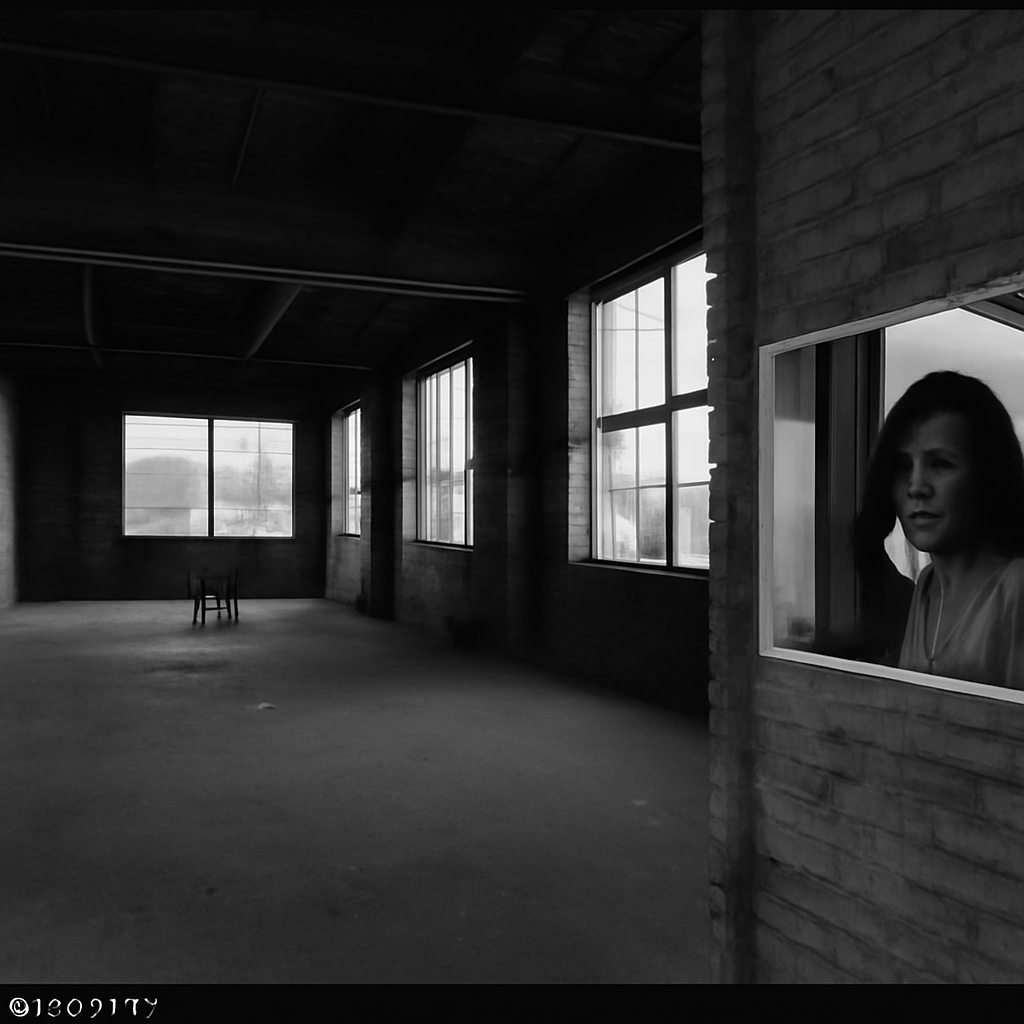
Ondine Marsh’s photograph of Wren Abadi in the north window was good enough to make the injury difficult to dismiss. Wren had refused to have it shown; Ondine had printed it anyway. The picture caught Wren’s face in reflection beside her red canvas and left her with nowhere to hide behind the glass. Wren could recognize the image’s quality and still understand it as a theft. She ended the arrangement between them, while Ondine was left with the more private fact that she had chosen the exposure over Wren’s refusal.
The week made clear that this was not only a quarrel about one print. When Wren returned from the clinic with a thumb-to-wrist brace, Ondine was there in the darkroom and their relation had become unspoken rather than repaired: close enough to notice what the other could not manage, not close enough to make care uncomplicated. The new evening blocks at the tendon clinic gave Wren treatment without requiring anybody’s permission. They did not give either woman a language for what had happened.
Then Nuri found the April 4 negatives Ondine had left out: three frames of their own back as they left Teo’s shop after the letter had been opened. The images preserved Nuri’s worst few minutes as evidence they had not agreed to make. By then the warehouse understood that Ondine’s camera did not merely document the house. It kept what people wanted to be allowed to leave behind.